Fostering the Go Anywhere Dog℠ Way · Post 1 of 3. Read it with Fostering a Puppy Under 6 Months and Resource Guarding in a Foster Home.
You said yes. The crate is set up, the rescue texted the ETA, and your dog has no idea his whole world is about to shift.
I was a foster mom for over ten years. I know the mix of excitement and dread that sits in your stomach on pickup day. This post is what I’d tell you if we were standing in your kitchen.
First, how we think about all of it at Go Anywhere Dog: we give you the understanding and offer best practices, while recognizing human capacity. Perfection isn’t necessary. Good enough matters, and teaches more. You know your house. You make the decisions in it. My job is to help you know what’s going on underneath, so the decisions get easier.
Meet Bob Hope
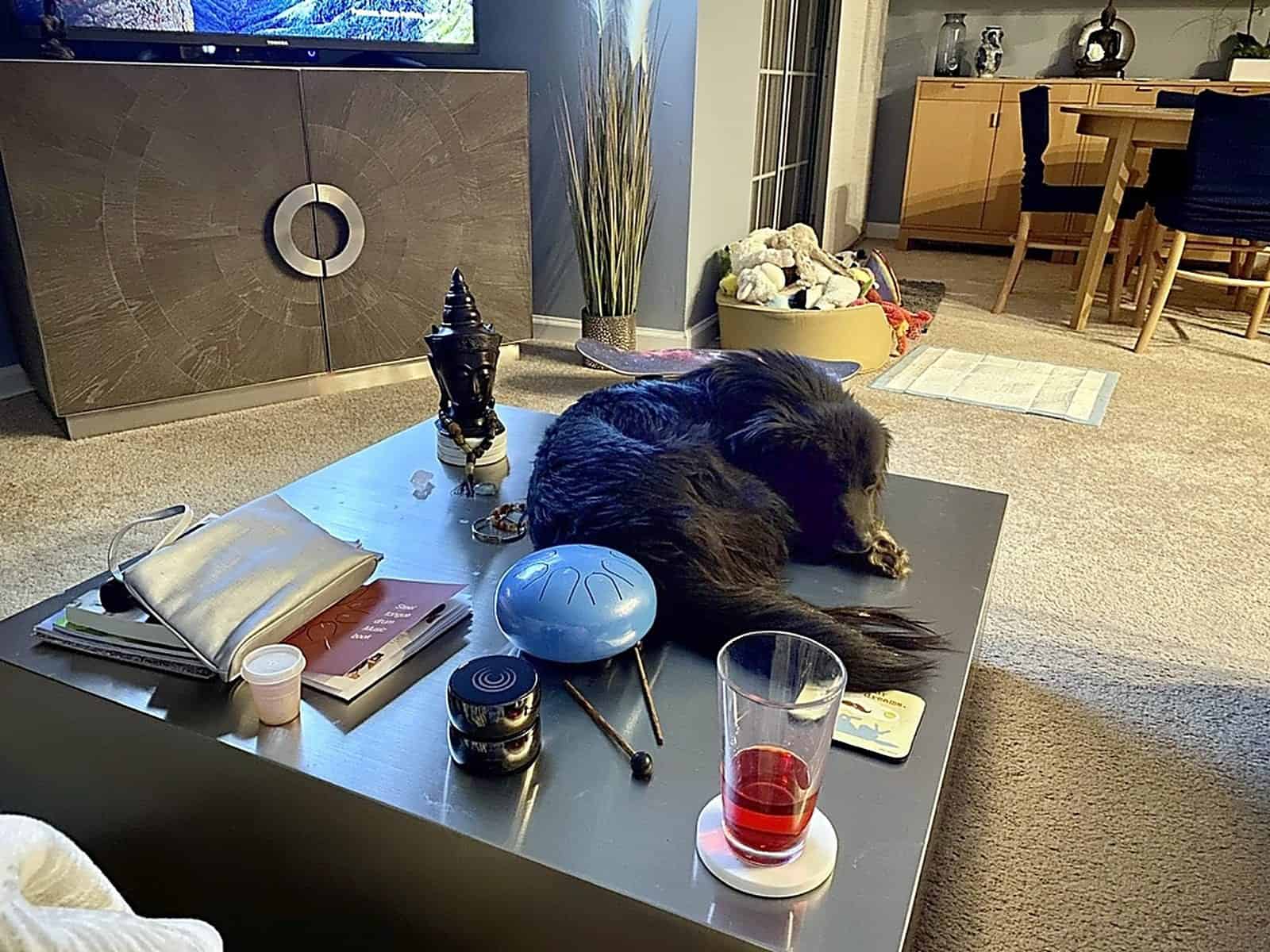
The foster I named Hope arrived terrified. I’d been told she was a girl, so Hope it was, right up until I discovered the winky. She became Bob Hope.
Bob Hope wasn’t coming into my house. Not on my schedule, anyway. So I left the garage door ajar and waited. It took him hours to decide to come in. When he finally did, he skipped the dog bed, the crate and the cozy corner I’d set up, and climbed onto my coffee table. It was the highest spot in the room, with a full view of anything that might come for him.
He wasn’t looking for a friend. He was working out whether he’d survive.
I knew he was coming in scared, so I’d planned for it. My dog Vanna stayed with my friend Jeannie for a couple of days so Bob Hope could settle in. He wasn’t going to be wearing a collar, let alone a leash, for a while, so their first meeting would have to happen inside the house. And Vanna, a rescue herself from the same Kentucky shelter, was a known resource guarder. The full quartet: food, toys, resting places and her person. Every bowl, bone and toy got put away.
When Vanna came home, I met her outside, without Bob Hope. I didn’t want her first meeting with him to happen at the peak of her excitement about seeing her momma. So we greeted each other and went for a hike.
When we got back, I opened the door and let her walk in on her own. I knew Bob Hope wouldn’t challenge her, so I kept my distance and let them greet, with a watchful eye nearby. Soft happy talk the whole time (such lovely puppies, you’re both doing so good), the same way I’d reassure a child who needed it.
They did a perfectly appropriate dog greeting. Then Bob Hope went back to his coffee table.
I swear Vanna’s eyes darted to me as if to say, Are you kidding me? That’s okay?!
Nearly everything in this post is in that story. Here’s the why behind each piece.
Your foster isn’t looking for a friend yet
Here’s the part that surprises people. Your family dog may believe everyone is a friend. That’s lovely, and it’s exactly why the first meeting needs care.
Your foster dog isn’t seeking friends yet. They’re trying to convince themselves they’ll survive. At the very least, they’ve had a scary, confusing journey getting to your door: a shelter, a transport, strangers, new smells, a car ride to who-knows-where. A happy, bouncy greeter running straight at them isn’t a welcome. It’s one more thing to survive.
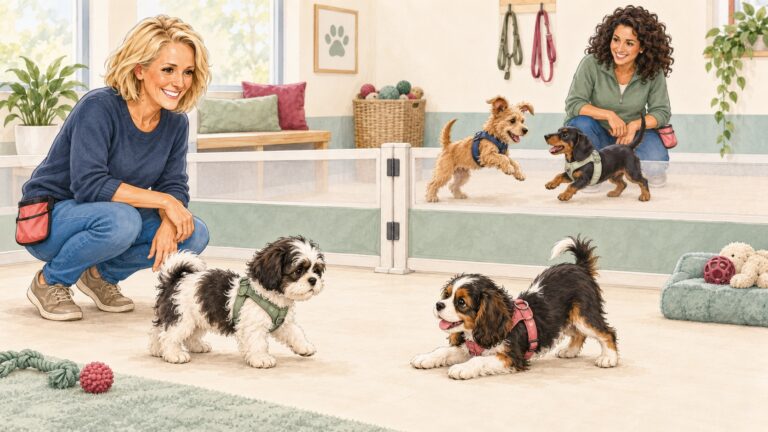
So the first question is always the same one we ask in every class: Is the dog upset? If your foster is clearly stressed (tucked, frozen, trembling, hiding, can’t take a snack), they don’t meet your dogs yet without a barrier between them. A baby gate, an x-pen, a closed screen door. Seeing and smelling each other through a barrier is the introduction for now.
Where to meet
- Outside is best.
- Neutral space is better: a quiet park edge, a friend’s yard, a street neither dog owns.
- Not always realistic. That’s okay. Bob Hope and Vanna met in my living room. Do what your life allows, and use the rest of this post to tip the odds in everyone’s favor.
A few things that helped with Bob Hope and Vanna that you can borrow:
- Bring your dog in calm, not wound up. Greet your own dog first, away from the foster. A walk or a sniffy hike takes the edge off before the meeting.
- Let your dog walk in on their own. No leading them over.
- Keep your distance and your voice soft. Close enough to step in, far enough not to add pressure.
Before your foster walks in: pick up the good stuff
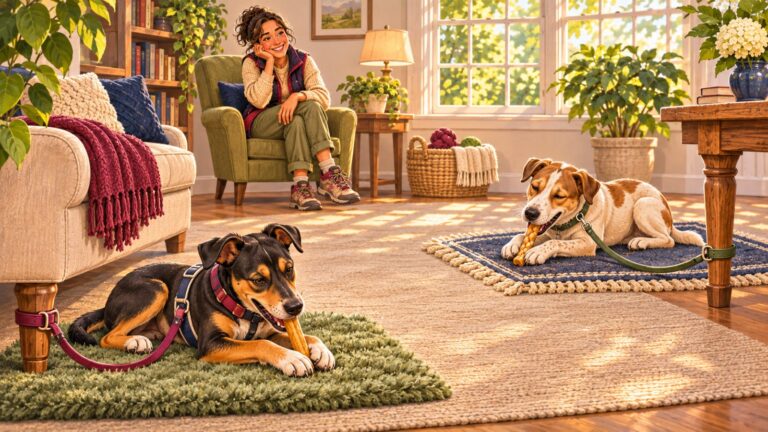
Before anyone comes through the door, pick up all toys and chews in the house. Every bone, every bully stick, every favorite squeaky. They stay put away until you know having them out won’t turn into a shouting match, a scuffle, and an early bad experience between housemates.
You’ll get the full why in our resource guarding post. The short version: food, toys, resting places and loved ones are the four things dogs come pre-programmed to believe are a matter of survival. Don’t hand a new dog four things to fight about on day one.
Don’t coax. Give space.
This is the one we all get wrong with the best of intentions.
Don’t coax the dogs to approach or interact. No “go say hi!” No holding the foster still so your dog can sniff. No carrying the shy one over. Let each dog choose the distance, and let them keep that space for as long as they need it, even if that’s days, or hours with the garage door open.
We often unknowingly create the animosity. When we push two dogs together before either one is ready, the first thing they learn about each other is that dog means pressure. When we let them close the distance on their own schedule, the first thing they learn is that dog is no big deal.
A simple check: whose feet are moving? If yours are (luring, pulling, carrying, talking them forward), the approach is yours, not theirs. Step back and let them decide.
The three-day guideline
Ideally, your foster and your dogs don’t share full freedom together for three full days.
I know how hard that is. You want everyone on the couch together by Saturday night. Rotate instead: foster gets time out while your dog naps in another room, then swap. Gates, crates, closed doors and leashes are your friends this week. (Or, if you have a Jeannie, a couple of days away for your dog.)
And honestly? Sometimes it’s completely unnecessary. Some fosters walk in loose and wiggly, read the room, and settle in like they’ve lived there for years. You’ll know. The three days are a guideline for when you’re not sure, and in the first week, most of us aren’t.
If tension shows up: never add tension to tension
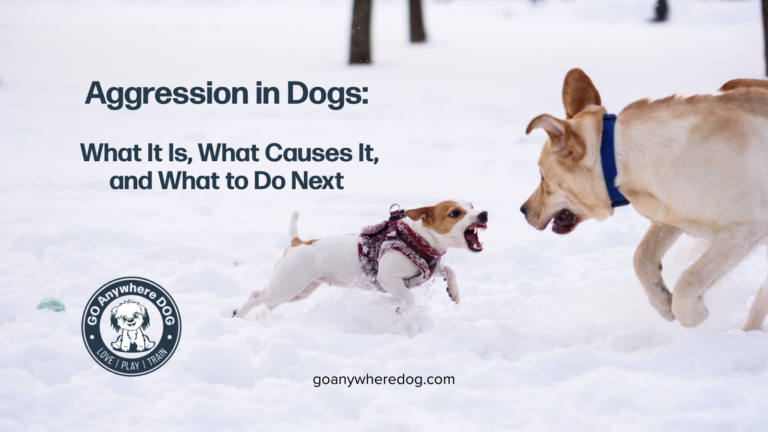
Nothing good ever comes from it. If the dogs stiffen, freeze, growl, or start to square off, your voice getting sharp and your body moving toward them adds pressure to something that already has too much.
Instead, we flip the switch:
- Happy talk: high, bright, a little ridiculous. Woo hoo! Ba ba ba! Clap.
- Turn and go, away from the dogs, never toward them. Away is an invitation to follow. Toward is pressure.
- Keep going until there’s no resistance.
- Then crouch down and help everyone come back to baseline.
We call it getting your silly stupid on. You will feel ridiculous. That’s the point. Nobody can scold while they’re being goofy, and the dogs read the room through you. (More on what to do if a real scuffle breaks out in the resource guarding post.)
Want to watch first meetings play out on real video? That’s the opening topic at our Feb 21 seminar for foster homes and rescues: introducing a foster to your resident dogs at the dogs’ pace, and the signals that mean slow down, keep going, or stop. See the Feb 21 seminar →
Fostering a puppy?
Is your foster a puppy under six months? Puppies carry real differences in how they greet, how they play, and how much patience your adult dog will have for them. That gets its own post: Fostering a Puppy Under 6 Months →
The bigger picture
Getting to know your foster slowly isn’t a delay in their journey. It’s the journey. Every calm, unpressured day in your house is evidence that this place is different, and that’s how we help them never have to go through anything like that again.
Questions foster parents ask
How long should I keep my foster dog and my dog apart?
Ideally, three full days before they share full freedom together. Rotate time out, and use gates, crates, closed doors and leashes. Some fosters settle right in and it isn’t needed. The three days are a guideline for when you’re not sure.
Where should my foster dog meet my dog for the first time?
Outside is best, and neutral space, like a quiet park edge or a friend’s yard, is better. When that isn’t realistic, meet at home: greet your own dog first, let them walk in on their own, and keep your distance and your voice soft.
What if my foster dog is too scared to meet my dog?
If your foster is tucked, frozen, trembling, hiding or can’t take a snack, they don’t meet your dogs yet without a barrier between them. Seeing and smelling each other through a baby gate, x-pen or screen door is the introduction for now.
What should I do if the dogs get tense during the introduction?
Never add tension to tension. Flip the switch: happy talk, turn and go away from the dogs (never toward them), keep going until there’s no resistance, then crouch down and help everyone settle.
Jody & your Dog Life Coaches