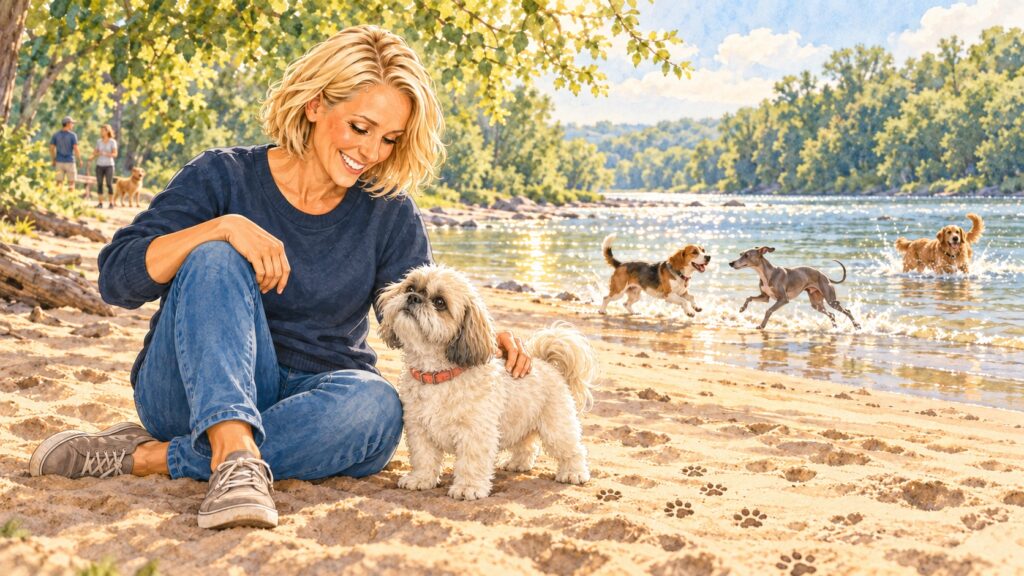
In 2004 I was in recovery, rebuilding my life one ordinary day at a time, with a sixteen-pound Shih Tzu named Buddha at my side. One afternoon near Minnehaha Falls I noticed people and dogs all walking the same direction. So we followed them. There was a gate, and a sign: Off-Leash Dog Park.
I looked down at Buddha and thought, our lives just changed.
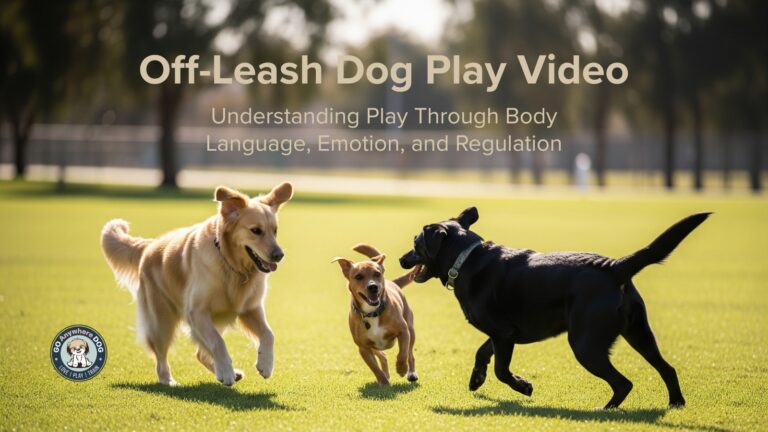
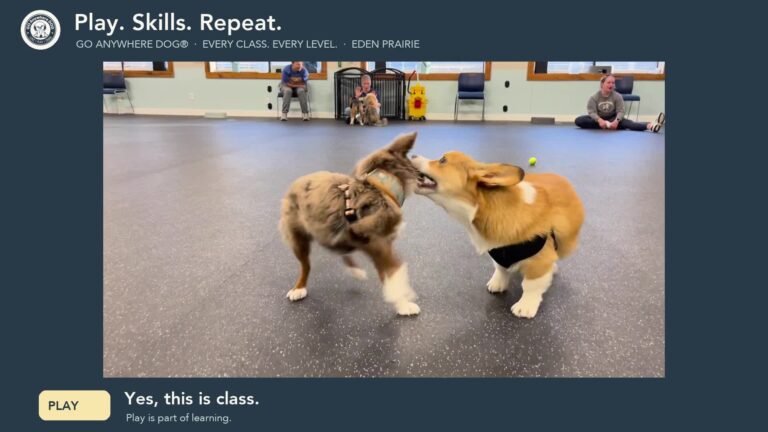
They did. It was magical. We went every day, for hours. Dogs at play, free. Space for acres, not a small fenced square. Chasing, wrestling, splashing, fetching, digging their snouts through the sand. Lying under the trees in the shade, panting with delight. And the people: laughing, smiling, chatting. No awkward silence. The dogs always gave us plenty to talk about.
Buddha taught me more on that beach than I knew I was learning. When a big, clumsy dog came barreling at him, he’d puff his chest, lift his head, and woof-woof-woof — and dogs ten times his size stopped in their tracks. No bite, no fight. A boundary, held. He had my full respect. He also had a thing for beagles and Italian greyhounds, the dogs fast enough to play his game. So we found them, and I kept him out of the mosh-pit corners.
I watched for seven years before I had words for what I was seeing.
What’s happening, and what I don’t know
In June, the Minneapolis Park and Recreation Board voted 8–1 to end off-leash use at Minnehaha by December 31, 2026. The land stays open; dogs will need to be leashed. Sidewalk Dog reports the staff plan targets December 21.
The board’s resolution says the off-leash use is incompatible with Mni Owe Sni (Coldwater Spring), a place sacred to the Dakota that was listed on the National Register of Historic Places as a Traditional Cultural Place in 2023.
I’m not the person to explain that history, and I won’t pretend to be. If you want to understand it, start with the people who carry it: the National Park Service’s Mni Owe Sni page and the Bdote Memory Map.
What I can tell you is where I stand. I’ve cheered the respectful changes Minnesota has made to honor Indigenous land and names — Bde Maka Ska among them. I honor this one too.
And I’m grieving it, like so many of you. That beach healed me. It’s where my next chapter began. I don’t believe Go Anywhere Dog would exist without the hundreds of hours I spent there. Honoring the change and grieving the place are both true for me.
Part of me still hopes there was a version that kept some of it — fence where dogs shouldn’t go, protect what needs protecting. I honestly don’t know enough to say whether that was possible here. In my experience there usually is a solution that works for everyone. We humans just get passionate and make claims much broader than we need to.
Why losing it hurts this much
Because there aren’t enough good dog parks.
Here’s my unscientific data set: fifteen-plus years of counting cars. Dog park lots are packed while the playground lot down the road sits half empty. That’s my observation, not a study. But the numbers we do have point the same way. Three Rivers Park District’s nine off-leash areas — about 182 acres — draw roughly 342,000 visits a year, up from 260,000 a decade earlier. Same land, a lot more dogs.
When a city has only a handful of great parks, the great ones get overloaded. Minnehaha was busy because it was rare.
What I’d like to see in dog parks (my opinion, from 15+ years of watching)
Real land. Too often a new dog park goes on the parcel nobody else wanted — the soggy, smelly leftover. Minnehaha was the opposite: river, trees, sand. That’s why people drove across the metro for it.
Room and trails. Most fights I see start one of two ways: too little space, or nothing to do but pile big energy onto each other. Trails change that. Dogs move, sniff, spread out, and can walk away from a situation they don’t like. Being able to leave matters. In our classes we let a dog “vote with their feet.” A small pen takes that vote away.
Water you’d actually swim in. We’re the Land of 10,000 Lakes, and precious few of them have a place where a dog is allowed to run in and swim. The deer wade in. The coyotes and foxes drink from them. The geese and ducks practically own them. Our dogs get a retention pond — the kind nobody would let their kid near. Even Three Rivers’ own FAQ says dogs can swim in its ponds at their own risk. Meanwhile, coastal towns all over the country have open, unfenced beaches where dogs tear into the surf. We can do better, Minnesota. By our dogs.
Fences where the neighbor needs them — not everywhere. Fencing is one of the things that keeps new parks from getting built. Minneapolis has said it has no plans for more unfenced off-leash parks. I’d push back. Fence residential edges and sensitive land, absolutely. But where the land can absorb a dog — a buffer, a park reserve — open space works. Three Rivers already runs unfenced areas, including 40 acres at Crow-Hassan. Most of us hike with our dogs all the time and don’t lose them. The few dogs who bolt are usually under-exercised, or haven’t been taught.
Don’t punish every dog for what a few people do. People tearing down signs, ignoring boundaries, trespassing — that’s on those people. When an off-leash dog chases wildlife where it shouldn’t be, I don’t blame the dog. The dog did what dogs do. A human put it on the wrong side of the line. Good rules target the people and dogs who earn the consequence, and give everyone else more room.
Who shouldn’t be there — a proposal
Here’s where I’m stricter than you might expect from a positive-reinforcement trainer.
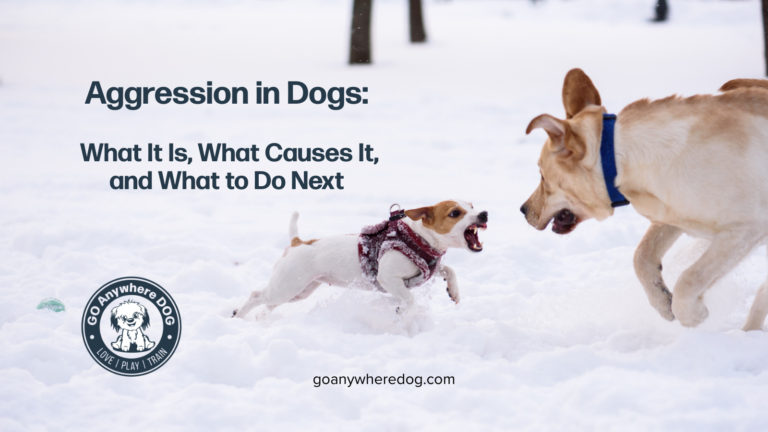
Most dog parks have a rule like “aggressive dogs must leave,” and almost no way to keep them from coming back. I’d like to change that, using a tool trainers and vets already use: Dr. Ian Dunbar’s dog bite scale. It grades a bite by the damage it does, from Level 1 (a snap with no contact) up to Level 6. Level 3 is shallow punctures. Level 4 means at least one puncture deeper than half the length of the dog’s canine tooth.
What I’d like to see, tied to each city’s existing dangerous-dog process:
- A scuffle: normal dog communication. No action.
- A first bite, Level 1–3: a warning. Honestly, we humans walk away from bigger injuries than that and keep playing.
- A second reported bite, any level: banned from dog parks.
- Level 4 or above: a lifetime ban, first time.
No debating who started it. Minnesota law already defines a “potentially dangerous dog” as one that bites a person or another animal when unprovoked — and in a crowded park, nobody agrees on provocation. The bite level and the count decide. Clean.
And no path back. I know that’s hard to hear. “Save them all” became a message in rescue, and I think it went too far. The safety of our communities and our kids has to count. In my experience, the trainers promising to rehab these dogs for the park are usually the ones reaching for a shock collar.
A park ban isn’t a death sentence. It means not here. Plenty of dogs live full, happy lives without ever setting foot in a dog park, and some of them never wanted to be there.
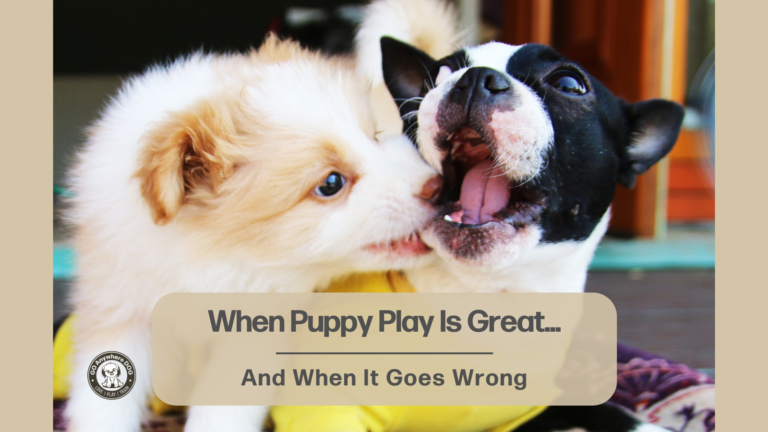
That includes some very sweet dogs. Some dogs show such strong appeasement behavior — rolling over, cowering, frantic licking — that it seems to set other dogs off. They become targets, again and again. A free-for-all isn’t fair to them. Well-chosen play dates with a few friends are a much better life.
Puppies don’t belong there yet
Many local parks let puppies in at four months. I’d like to see that change — stricter rules at the gate, and the same message from park boards, vets and trainers.
Our rule at Go Anywhere Dog: no dog park until 6 months or until your puppy has real social skills, whichever comes later.
“But the socialization window closes at 16 weeks!” It’s true that window matters. But socialization isn’t the same thing as a dog park. A dog park drops a baby into a crowd of strangers with no way out and nobody guiding. That’s not socialization. That’s flooding a being who isn’t ready, and it can wire in exactly the fears you were trying to prevent. Socialization happens with safety, support and connection — the right dogs, the right distance, a human who’s paying attention.
Where this leaves us
Minnehaha is ending for reasons bigger than dogs, and I respect that. What we do next is up to us. We can argue in broad strokes, or we can be precise: protect what needs protecting, remove the few dogs who are truly dangerous, keep puppies out until they’re ready, and build the rest of our dogs places worth driving to.
The Park Board is searching for new off-leash sites right now. If you care, show up. Public comment (“Open Time”) is at 5:30 pm at the board’s regular meetings: October 21, November 4 and November 18. You can also follow the project and write to the project manager.
Tell them what a great dog park needs. Room to run. Somewhere to swim. A way to walk away. And a gate that stays closed to the dogs who’ve proven they can’t share.
Buddha would want it that way.
Sources
- Minneapolis Park & Recreation Board, Resolution 2026-114 (June 2026): https://agendasuite.org/iip/mprb/file/getfile/24916
- MPRB, Minnehaha Dog Park Decommissioning: https://www.minneapolisparks.org/park-care-improvements/park-projects/current_projects/minnehaha-dog-park-decommissioning/
- MPRB, Minnehaha Dog Park Perimeter Fencing (FAQs): https://www.minneapolisparks.org/park-care-improvements/park-projects/current_projects/minnehaha-dog-park-perimeter-fencing/
- Sidewalk Dog, “Minnehaha’s Off-Leash Dog Park Is Set to Close Dec. 21” (Oct 8, 2026): https://sidewalkdog.com/articles/minnehaha-off-leash-dog-park-closing-what-to-know
- National Park Service, Mni Owe Sni (Coldwater Spring): https://www.nps.gov/places/mni-owe-sni.htm
- Bdote Memory Map, Coldwater Springs: https://bdotememorymap.org/point/coldwater-springs/
- Three Rivers Park District, “Come Out and Play: Exploring Dog Off-Leash Areas”: https://www.threeriversparks.org/blog/come-out-and-play-exploring-dog-leash-areas
- Three Rivers Park District, Dog Off-Leash Areas FAQ: https://www.threeriversparks.org/sites/default/files/2026-07/Dog%20Off-Leash%20Areas%20FAQ-accessible.pdf
- Dunbar, I. Dog Bite Scale (official authorized version, via APDT): https://apdt.com/wp-content/uploads/2017/01/ian-dunbar-dog-bite-scale.pdf
- Minnesota Statutes §347.50, Definitions: https://www.revisor.mn.gov/statutes/cite/347.50