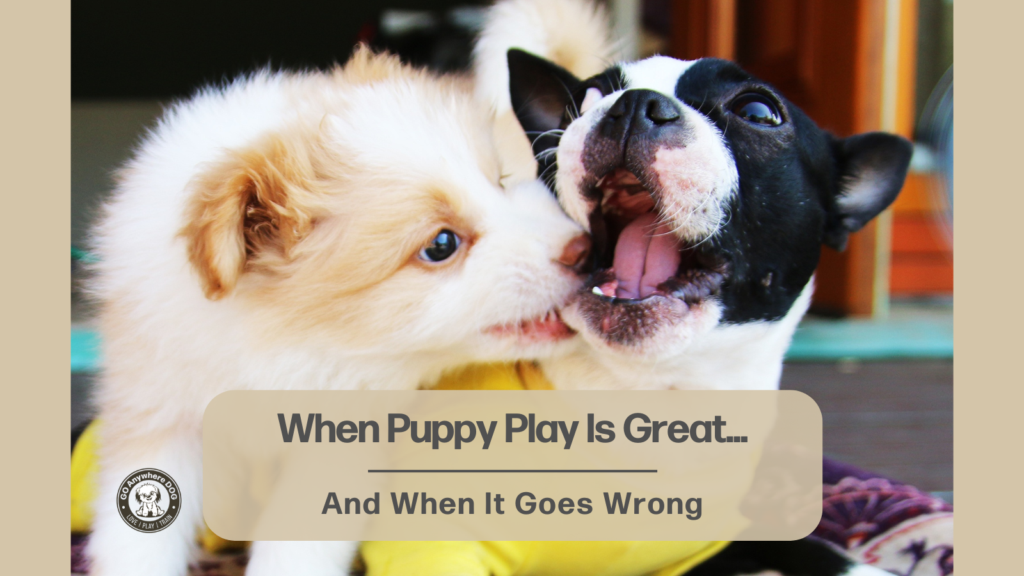
It’s one of the most confusing moments for puppy parents—and for trainers too.
You have a puppy who starts early.
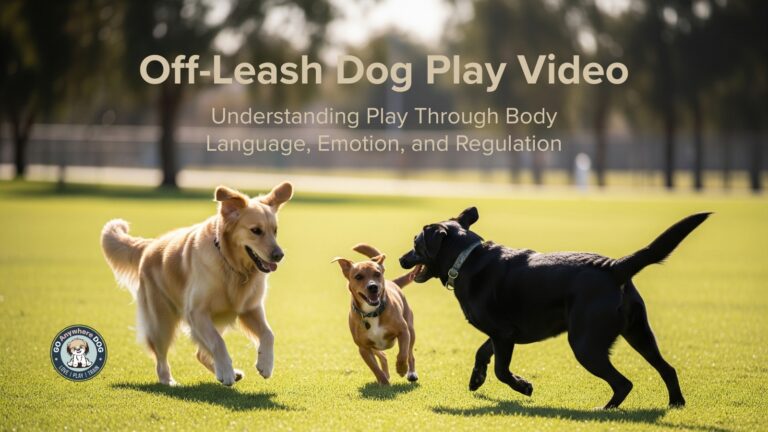
They play beautifully.
They read cues.
They pause.
They’re flexible, social, and joyful.
Then somewhere around Life Skills 101… something shifts.
Play gets rougher.
Pauses disappear.
Intensity spikes.
Suddenly this “easy” puppy isn’t so easy anymore.
And everyone is left wondering:
What happened?
The answer is rarely what people expect.
The Puppy You See in Class Is Not the Whole Story
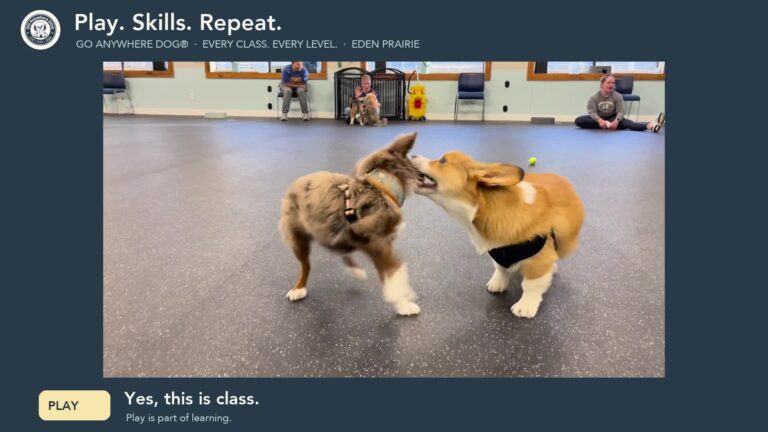
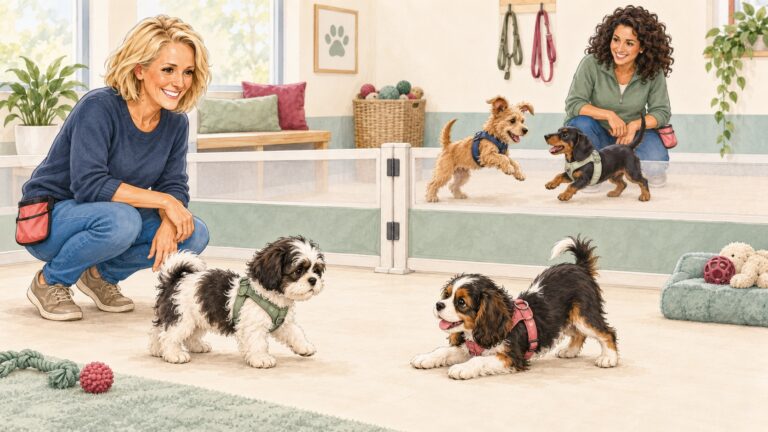
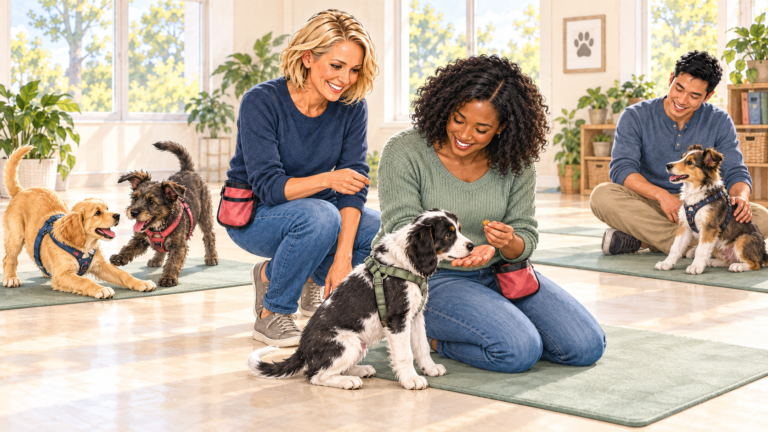
Early puppy classes are a protected environment.
They work because:
puppies are developmentally matched
play is supervised
interruptions happen early
arousal stays within a safe window
That allows puppies to practice good social skills—over and over again.
But play learning doesn’t stop when class ends.
Learning continues outside class. Those experiences belong in the picture when play changes, alongside development, current needs and what each interaction is paying for.
The Dog Park Effect (Even When Nothing “Bad” Happens)
When a puppy starts frequenting dog parks or playing with unfamiliar adult dogs, several things change at once:
playmates are mismatched
intensity is uncontrolled
boundaries are inconsistent
stress accumulates without resolution
A puppy can find an encounter difficult even when there is no fight. Watch who can pause, leave, return and have their signals answered. Those choices tell us more than the label “dog park” or “adult dog.”
I need to manage myself fast—or I get overwhelmed.
What a puppy learns in one encounter can shape what they expect in the next. Ask about the actual interaction and how they recovered afterward.
Adult Dogs Are Not Neutral Teachers
There’s a persistent myth that adult dogs will “teach puppies manners.”
Sometimes they do.
Often they don’t.
Many adult dogs:
play too hard
correct too quickly
ignore subtle stress signals
escalate instead of regulate
To a developing puppy, that’s not education—it’s survival learning.
An overwhelming interaction teaches too. The puppy may practice rushing, escaping or defending space. We want to arrange play where they can practice a more useful conversation.
Why the Change Shows Up Later (Not at the Dog Park)
Here’s the key piece most people miss:
Puppies can hold it together in high-arousal environments.
A puppy may keep moving through an interaction that is becoming difficult. Activity alone does not establish comfort. Watch pauses, invitations, escape attempts and what happens when you offer a break.
Learning history travels with the puppy. So do development, fatigue, excitement and current feelings. A later change in play gives us several things to investigate.
Back in class, you may notice:
shorter fuses
fewer pauses
rougher play
less flexibility
Same puppy.
Different nervous system state.
Same puppy, new information. We look at the pattern across settings instead of assigning one cause from one difficult class.
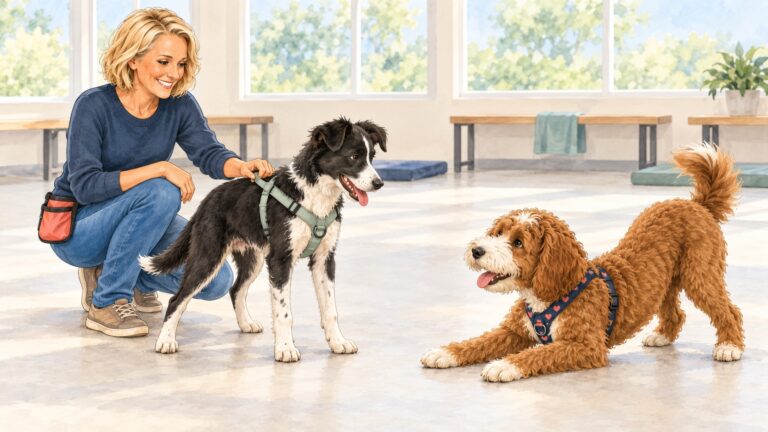
What Actually Changes in Play
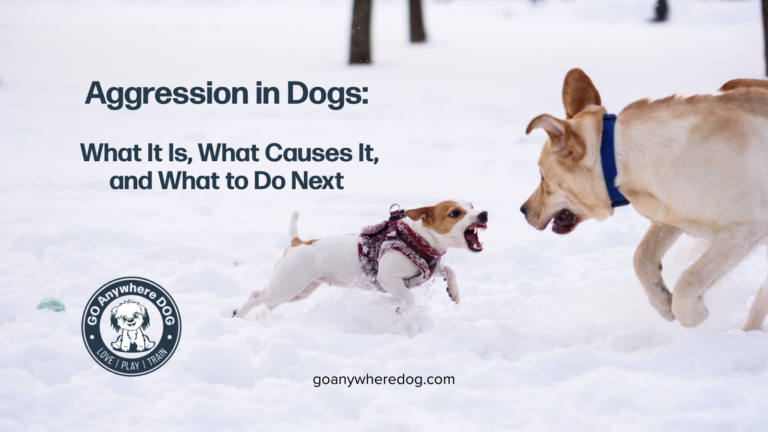
When play changes, watch for:
skip polite play invitations
rush greetings
escalate faster
struggle with turn-taking
Those behaviors tell us to change the setup and investigate what the puppy is practicing. The next supported repetition matters.
If I don’t come in strong, I get steamrolled.
We can protect the other puppies, pause the game and help this learner find a workable next response.
Prevention vs. Repair
When play shifts, we can arrange practice that helps rebuild pauses, communication and recovery. Start with what the puppy can manage now.
Repair requires:
re-teaching pauses
reintroducing safety
reducing arousal
rebuilding trust in play
Prevention is simpler.
Prevention looks like:
carefully matched playmates
active supervision
early interruptions
protecting good play reps
One practical check is the dog play consent test: pause, watch the other dog’s choice, and read the whole game.
This is why we’re so selective about puppy play environments—and why we ask the question:
“Has your puppy been to the dog park or played with unfamiliar adult dogs?”
That question opens an inquiry; it does not finish one. Tell us what happened, what your puppy did and how they recovered. We also consider development and the rest of their learning history.
This Isn’t About Blame
Puppy parents don’t make these choices out of neglect.
They make them out of love.
They want their puppy to be:
social
confident
happy
well-adjusted
Unfortunately, “more exposure” isn’t the same thing as better exposure.
Early experiences help build durable expectations. We cannot prevent every bad experience. We teach people how to provide safety, support and connection when something goes wrong, and how to help the puppy recover.
A difficult experience needs a helpful next chapter.
The Takeaway
If your puppy’s play looks amazing early on, that’s not an accident.
It’s the result of good structure and protection.
If play suddenly shifts later, don’t panic—and don’t shame yourself.
Instead, zoom out.
Look at where your puppy has been practicing.
Look at who they’ve been learning from.
And remember:
Protecting puppy play early isn’t limiting—it’s liberating.
Protect good practice, notice when the game changes and help with recovery. The aim is a dog who can navigate real life with skills and support, including when life is less than perfect.
They can stay the joyful, social dogs they started as—and truly grow into Go Anywhere Dogs®.
Puppies starting under 16 weeks begin in Puppy & Me, and dogs 16 weeks to a year start in Life Skills 101 — both at our Eden Prairie school. For dogs of any age, we also come to you with in-home training.
Until next time, have fun and enjoy your dog.
— Jody & your Dog Life Coaches