In This Video
The best time to train isn't on the clock. It depends on your dog's state of mind. This video covers why a dog who's been cooped up all day needs to burn off energy before learning, how hunger, sleepiness, mood and physical ability affect readiness, how to use food or play as the reward, and why fear always comes first: when fear is present, nothing else matters until we address it.
Key Moments
- 0:04 — Cooped up all day: the coiled spring
- 0:36 — Burn off energy before teaching new skills
- 1:09 — Check your dog's state of mind first
- 1:39 — Time sessions before meals, or use play as the reward
- 2:11 — Bright-eyed vs. drowsy, and physical ability
- 2:32 — When fear is present, nothing else matters
- 2:43 — Let your dog work out the ya-yas first
Full Transcript
The best time to train your dog. Ever been cooped up all day? Maybe you remember being in school, staring out the window during the last class on a Friday before a long weekend. You had big plans. Meanwhile the teacher was droning on about the Civil War. Remember thinking you might lose your mind if the clock didn't move faster? When the bell rang, you were a coiled spring, ready for action. You needed to burn off all that excitement with a burst of physical activity.
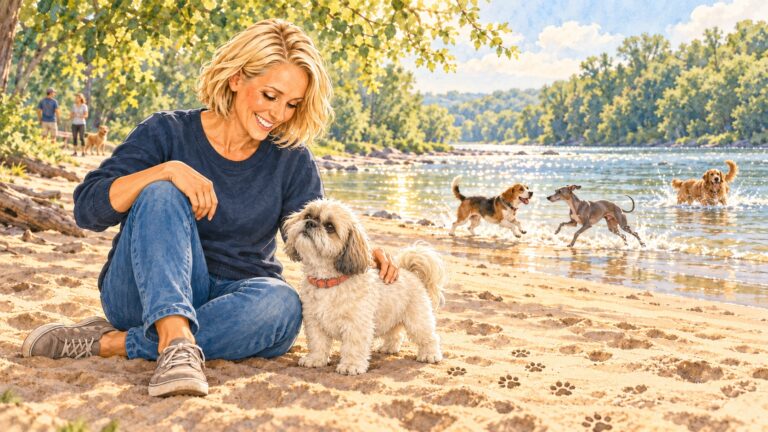
Just like us, dogs are affected greatly by their internal state too. If your pup has been snoozing all day while you're at work, he'll be bursting with exuberance when you get home, and he'll need to work that off somehow. This is not a good moment to teach him a new skill. A good run or a game of tug-of-war is what he's all about. Of course, you can incorporate learning into these activities too; impulse control is a great exercise when you're out and about. But if you're expecting a wriggly, wiggly dog whose tail is wagging his entire body to sit and stay on cue, you're likely to end up frustrated.
Success depends on your dog's readiness to learn. Before you begin training, consider your dog's state of mind. How hungry is she? Has she just spun herself around three times and settled down for a nap? What's her mood? Is she playful or anxious? Is she feeling up to the task?
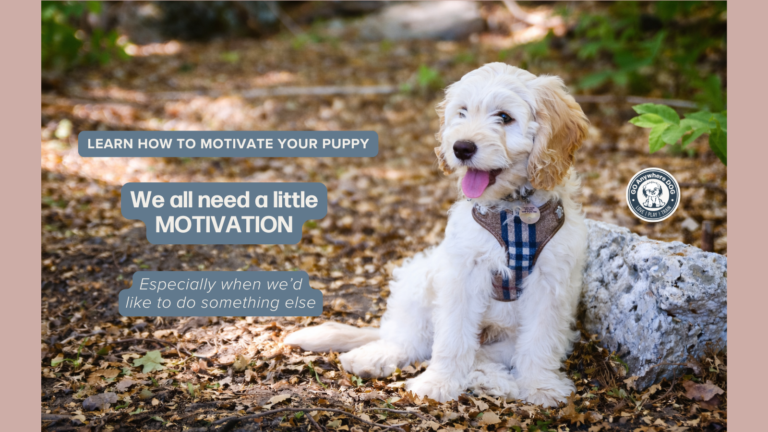
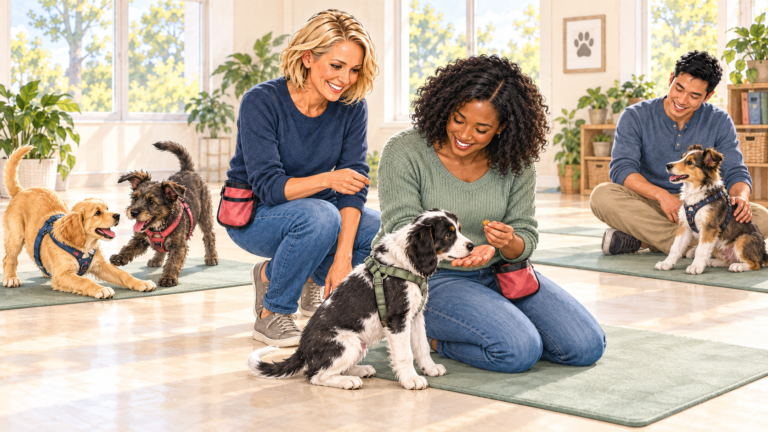
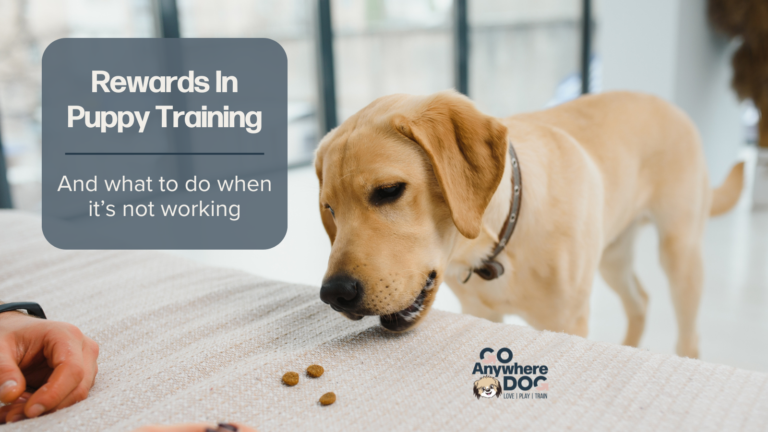
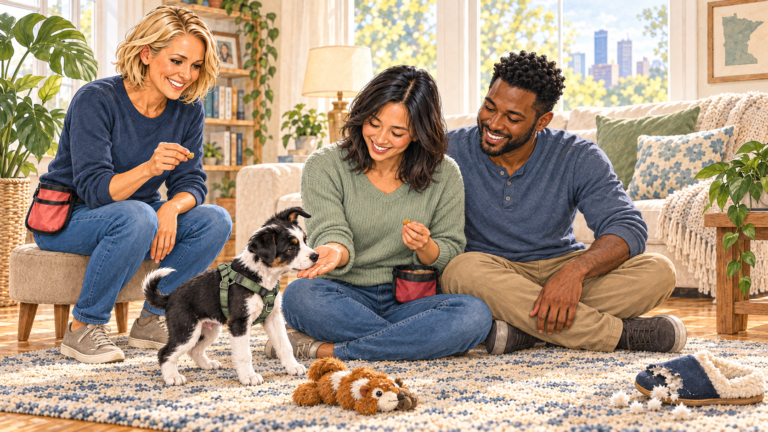
Tasty treats are your most effective reward in training, so you might time your training sessions so they begin before his dinner has been served rather than after. Or, if food is not on your pup's mind, try using a toy as a reward. Launch a ball across the room or animate your canine's favorite tug toy. Fun is always a great motivator for your dog. If you ask your dog to perform the desired behavior before the play begins, that will make the game a powerful reward.
Keep in mind your dog is most receptive to learning when he's bright-eyed and bushy-tailed. If he's drowsy, you might be better off choosing another time for training. And always remember to consider your sweet pup's physical ability, especially if your companion has been ill or is older.
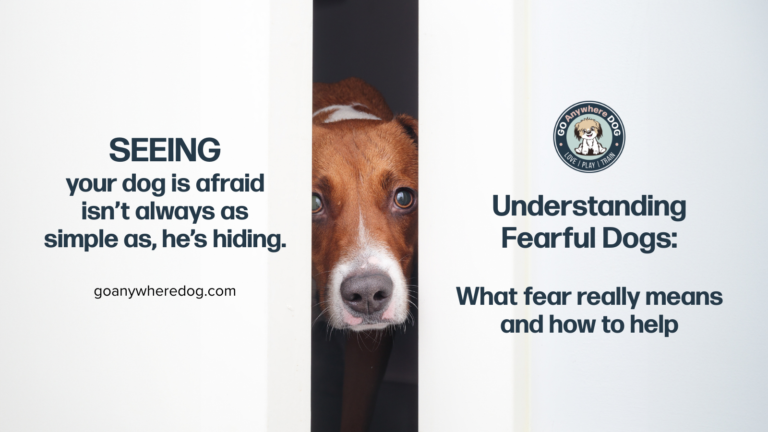
As for fear and anxiety, it's important to always address these issues first. When fear is present for a dog, nothing else matters until we overcome that.
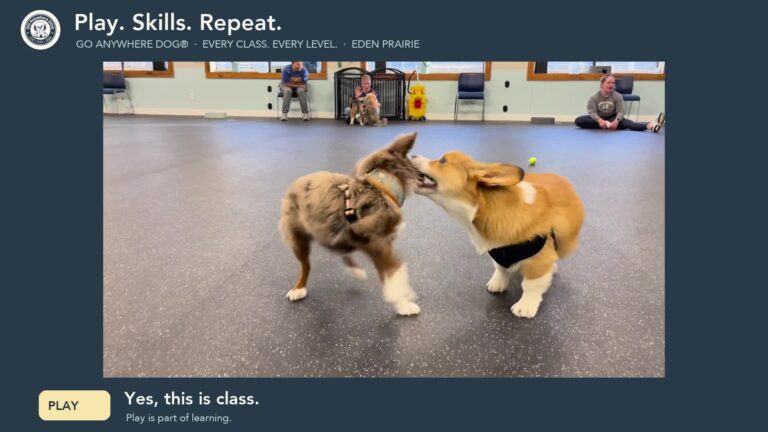
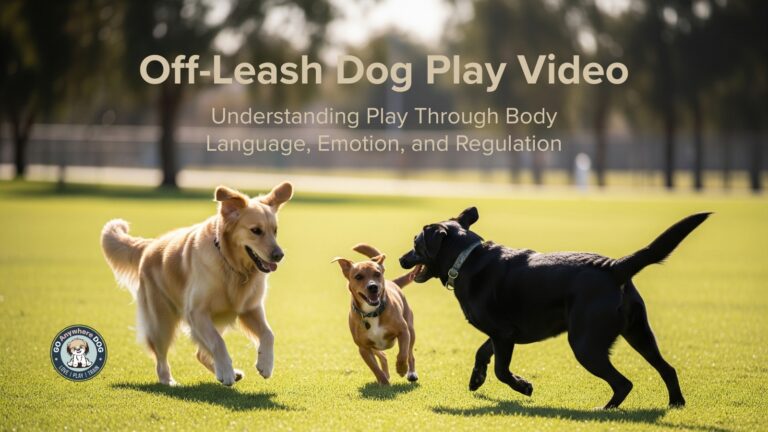
The biggest everyday mental challenge your dog faces, though, is the desire to run and play while you want her to concentrate. Let your dog work out all the ya-yas before you attempt those training sessions. That way her frustration will be lower and her patience will be much higher. The same is true for you: you'll be less frustrated and have more patience with your dog. Remember, the greatest joy of having a dog is the fun and the play.