Skip to the article

Puppy development · Video lesson

Realistic Expectations in Puppy Training (What Progress Really Looks Like)

A little perspective on what your puppy can do today—and what still needs practice.

In This Video

TV is full of brilliant, perfectly obedient dogs, so why won't yours come when called? This video sets realistic expectations: dogs don't learn by magic. They learn the way we do, one small, achievable step at a time, with lots of repetition. Using the example of a child learning to eat with a spoon, you'll see why a few obedience classes can't produce a dog who settles through a whole dinner, and why progress builds fun and fun builds results.

Key Moments

  • 0:04 — Smart dogs everywhere on TV
  • 0:35 — “Can't you at least come when I call?”
  • 1:07 — What it really takes, and the myth of magic
  • 1:38 — Dogs learn like we do: the spoon example
  • 2:10 — A few classes vs. months of practice
  • 2:40 — Break goals into small steps with repetition
  • 3:11 — Success breeds fun; fun makes repetition easy
Full Transcript

Let's make sure we've got realistic expectations. Do you notice dogs everywhere? Next time you turn on the TV, count how many commercials flash by before a lovable dog appears on the screen. You probably can't get through your Tuesday night guilty pleasure without seeing happy, obedient dogs wagging for the camera in commercials. You might even see a dog featured on the show. And these dogs are smart. You know the ones: these bright-eyed pooches are on the evening news, Rachael Ray, Ellen and The Late Show. They jump through hoops and run complex courses flawlessly.

Working dogs sniff out danger and rescue those in harm's way. Other canine heroes make daily activities possible for people with mobility and health issues. Can you believe it? Dogs are incredible. You glance over at your own beloved companion and ask, “Can't you at least come when I call?” It's frustrating, isn't it?

We see these magnificent dogs with all they can do, but you rarely get the real scoop on what it takes to train a dog to peak performance. Take a squirmy newborn puppy: in three weeks, that puppy can walk. Compare that to a human child, who takes about a year just to begin toddling. It's easy to get the impression that dogs learn differently than we do, perhaps by magic. The truth is, dogs learn just like we do, and we learn best when the final goal is broken down into small steps.

As a child, you learned to eat with a spoon rather than your little hands. First your parents had to teach you to grasp and hold the spoon. Next you practiced clumsily scooping food onto that spoon. Then you struggled as you worked to hold it steady while you lifted it up to your mouth without scattering food everywhere. Watch a small child learn to eat with a spoon and soon you'll realize it takes weeks and months of practice and repetition before she can feed herself.

And it could take months or years before the same child can sit through an entire meal without being strapped into a chair. Yet after only a few one-hour obedience classes, we somehow imagine that our dog will patiently lie on his bed while we eat our whole dinner. So what is this elusive magic that makes dogs behave?

When you learn to do something new, whether you're a human or a dog, the quickest way to achieve your goal is to break that goal down into small steps. Each step will need some repetition before you move to the next step. Small steps are achievable and allow you to build upon your success. Progress makes learning great fun for both the student and the teacher, and who doesn't like to have fun? We naturally repeat those things we enjoy.

Remember, dogs and humans alike learn best when skills are broken down into small, achievable steps. Step by step, you will start to see how quickly you and your dog reach your goals. Success breeds fun for you and your companion, and when it's fun, repetition comes easy and results are inevitable. Keep your expectations realistic, and enjoy your dog.

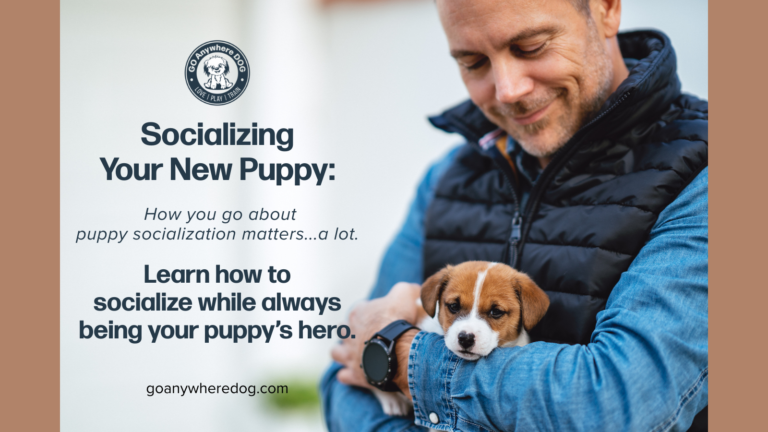
Your puppy sits beautifully in the kitchen. At the family gathering, the same cue seems to have been translated into a language nobody speaks.

Before deciding they know better, notice what changed.

Updated written companion · October 2026. This earlier video explores expectations and small steps. The guide below reflects our current 5.0 teaching.

Realistic Expectations in Dog Training: What Progress Actually Looks Like

A skill learned in one setting needs practice in others. Development, feelings, distractions and competing rewards change the task.

Knowing a rule and managing a moment are different skills. Our job is to build both, without making a difficult attempt a verdict on the dog—or the person.

Progress Is Not Linear (and That’s Not a Problem)

Most people expect training to look like a straight line:
teach → practice → success → done.

In real life, training looks more like a spiral.

A dog may perform a skill beautifully one day and struggle the next. They may respond reliably at home but fall apart in a new environment. They may appear to “forget” something they’ve done correctly dozens of times before.

Before deciding the dog is being difficult, investigate what changed. A new setting, a developing brain, an upsetting encounter or a competing payoff can all change the response. The useful question is what to arrange next.

It’s context.

New environments, increased distractions, emotional stress, physical development, fatigue, and even growth spurts can temporarily change how accessible a behavior is to a dog. Learning doesn’t disappear—but access to it fluctuates.

That fluctuation is normal.

Investigate Before Interpreting

“Not listening” describes our frustration more precisely than it explains the response.

Check the skill, the surroundings and the learner. What has been practiced here? What else pays? Are they upset, tired or having a health problem? What can you make easier?

Protect safety immediately, help with distress and arrange a manageable next attempt.

Support and Practice Build Reliability

One of the biggest shifts we make with clients is reframing the goal.

The goal is not “perfect obedience.”
The goal is a dog who can stay regulated enough to access what they know.

An upset dog is still learning. The practiced skill may be harder to use, while associations with the place, the person and what happens next are being built. That makes our response matter more, not less.

Learning does not stop when they are upset. What they are learning may change.

Sometimes the dog needs help recovering. Sometimes the response needs more teaching in this context. Sometimes a well-practiced response is competing with access to something wonderful. Those are different teaching decisions. We read the learner rather than assume one explanation fits them all.

Realistic expectations allow us to step back and ask better questions:

  • Is this environment too much right now?

  • Does my dog need more distance, not more direction?

  • Is this a skill problem—or a regulation problem?

Reliability grows through repeated, supported practice in the conditions where it matters, with reinforcement and understandable limits. Emotional safety helps make that work possible; it does not do the practice for us.

Setbacks Are Feedback, Not Failure

A setback tells you to investigate, not exactly what the answer will be. Consider changes in health, development, surroundings, practice and reinforcement.

Make a useful adjustment and watch the result. Persistent or sudden difficulties may need individual help.

Keep Teaching Clear and Manageable

Another expectation trap is intensity.

Increasing the stakes cannot supply a missing skill. Make the response clear, practice it under manageable conditions and keep the consequences consistent enough to understand.

Consistency looks like:

  • repeating skills in manageable environments

  • reinforcing success instead of punishing mistakes

  • adjusting expectations as conditions change

  • meeting the dog where they are, not where we wish they were

Boundaries begin now. We stop unsafe interactions, use gates and supervision, and teach workable alternatives. A deliberate loss of access for a missed cue comes after relevant fluency and a check of present capacity. Time-outs can also protect play and give dog and person room to recover. The complete GAD framework explains how those decisions fit together.

That’s how trust stays intact.

Why This Matters Long-Term

Real life includes excitement, disappointment and occasional frightening experiences. The goal is not a bubble.

Provide safety, support and connection when things go badly, then help with recovery and practice. That is part of building resilience alongside skills.

The Takeaway

A successful response yesterday does not establish readiness for every situation today.

Adjust the next step, keep reinforcement in the plan and help both learners recover. Our methodology connects teaching, support and boundaries.

Explore classes in Eden Prairie or in-home help.

Until next time, have fun and enjoy your dog.

— Jody & your Dog Life Coaches

Jody Karow holding Vanna

The person behind the post

Jody Karow, CTC

Dog trainer, writer, and founder of Go Anywhere Dog®. Working professionally with dogs since 2004, and helping people understand the dog in front of them.
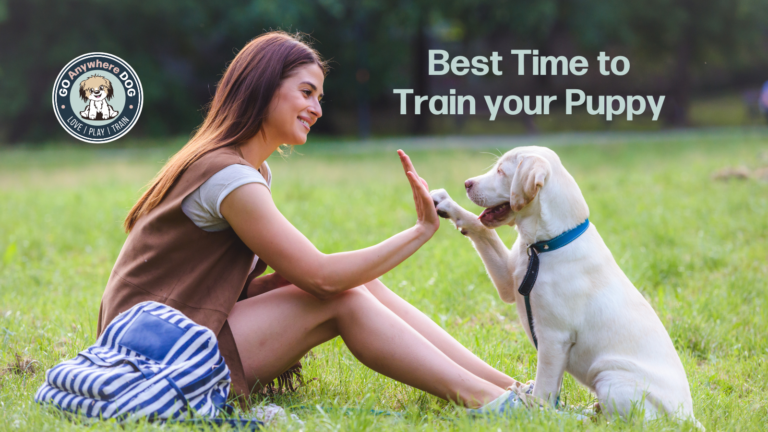
Meet Jody & explore more articles

Bring the learning home

You can have a person beside you.

Off-leash classes in Eden Prairie. Private puppy training and behavior help in Minneapolis and nearby suburbs. Jeannie can help you find your next step.

Talk with Jeannie