Does Your Dog Bully Other Dogs?
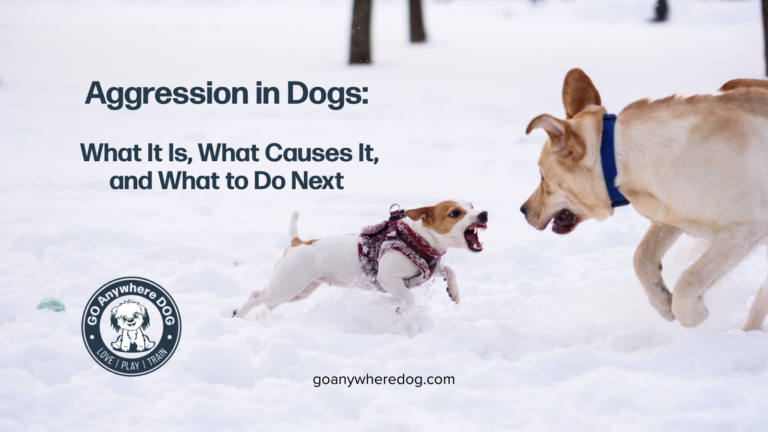
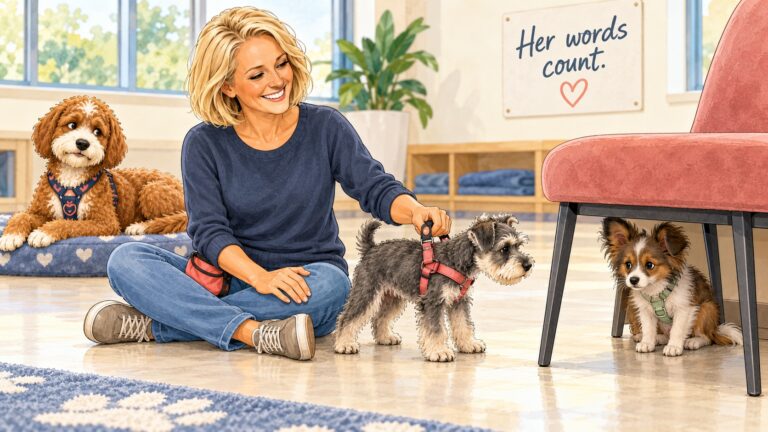
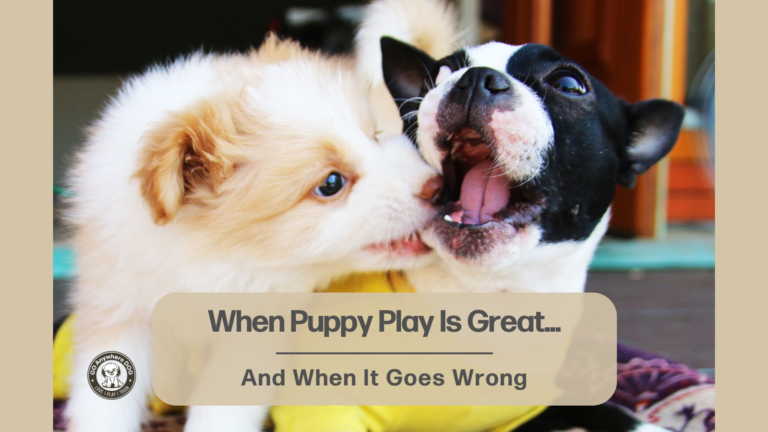
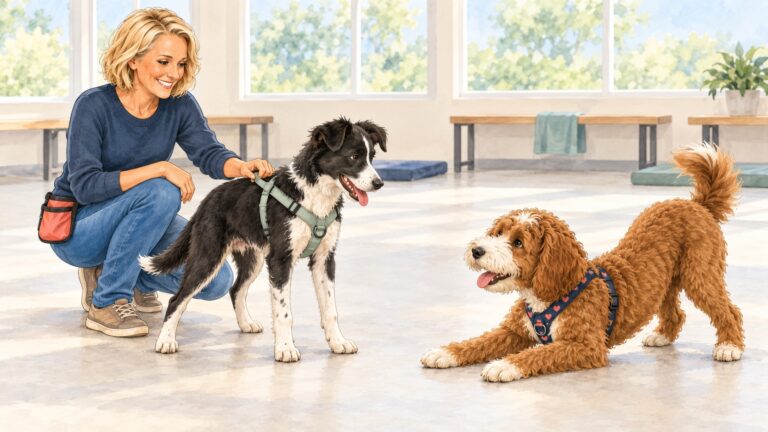
“He just plays rough.” Meanwhile, the other dog is trying to get under a bench. The bench has become the most persuasive member of the playgroup.
We do not need to decide whether a dog deserves the label “bully” before helping. Look at what is happening to both participants and whether each can comfortably stop.
When Dogs Are on the Receiving End
End an overwhelming interaction and give the dog room to recover. Familiar support may help; some dogs prefer space.
History, development, the particular encounter and what happens afterward can all matter. There is no reliable good-to-bad ratio that erases a frightening experience.
Do not rush into another greeting to “finish on a good note.” Plan a manageable next experience when the dog is ready, and seek help if worry persists.
Choose the Setting and Partners
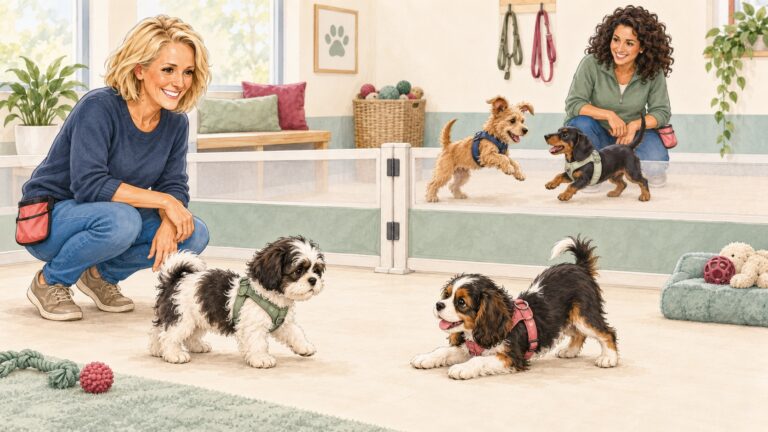
Group settings bring different sizes, play styles and social preferences together. A park or daycare can suit one dog and overwhelm another.
Choose the setting and partners for the dog you have today. Adult supervision still matters once dogs know each other.
Look at the Pattern, Not the Label
Watch for repeated rushing, trapping, flattening or chasing a dog who is trying to leave. Notice whether invitations are answered and whether the participants adjust to one another.
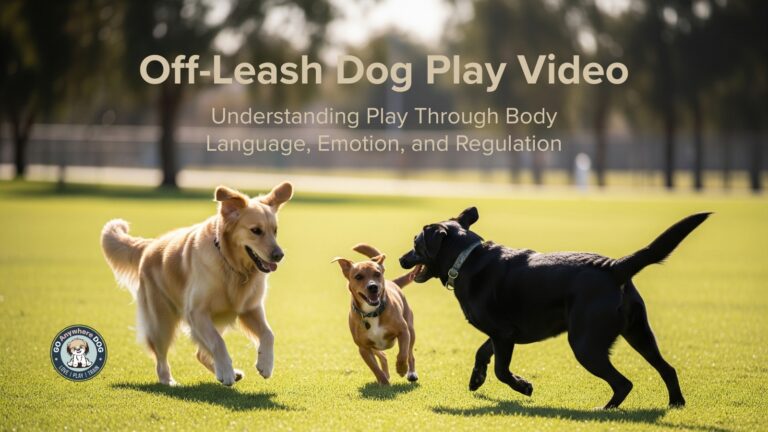
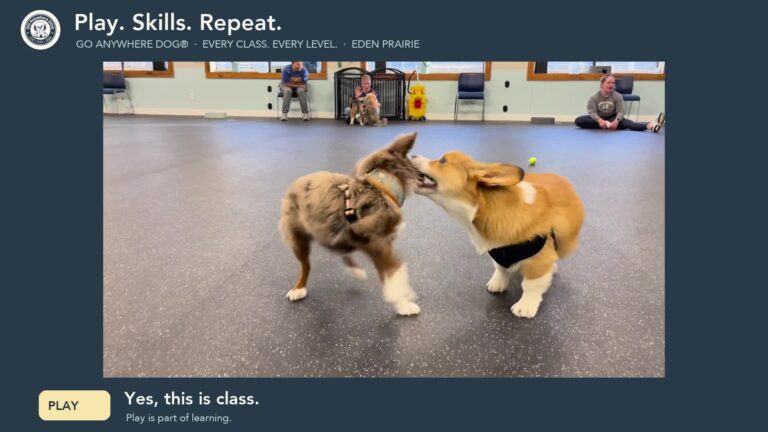
Some games are loud and physical while remaining mutual. Others look quieter but leave a dog stuck. Read the pattern rather than choosing a verdict from one sound or movement.
Exact turn-taking is not required. Flexible participation and opportunities to disengage matter more than keeping a scoreboard.
If Your Dog Is Struggling Socially
Do not rely on another dog to deliver the lesson through a frightening confrontation. Prevent rehearsals that overwhelm either participant.
A qualified professional can help assess the pairing, setting, skills, arousal and possible fear or frustration. Some dogs need different partners or a different activity. Improvement is individual; group play is not a requirement for a good life.
What You Can Do Right Now
- Interrupt early and safely when a dog cannot comfortably disengage.
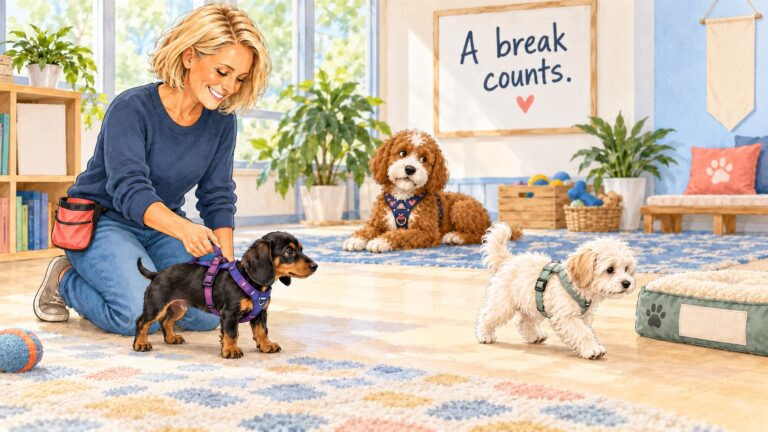
- Offer a supported pause, change partners or leave when needed.
- Practice and reinforce useful transitions in manageable situations.
- Consider the human too: frustration can make it harder to respond well.
Immediate protection does not depend on a trained cue. A deliberate loss of play for missing a cue requires relevant fluency and present capacity. A parent can join a pause when comforting; space may help when either learner needs breathing room.
See our play consent check and off-leash play lesson for more detail.
A Final Word (and a Reframe)
Dog parks and daycares can be wonderful enrichment tools—for the right dogs, with the right oversight.
If someone raises a concern about your dog’s behavior, it’s not an insult. It’s information.
Take it seriously. Take action.
Because the goal isn’t just fewer scuffles—it’s more joy.
For your dog.
For the dogs they interact with.
And for everyone sharing the space.
Explore off-leash classes in Eden Prairie or ask about individual behavior help.
Until next time, have fun and enjoy your dog.
— Jody & your Dog Life Coaches