In This Video
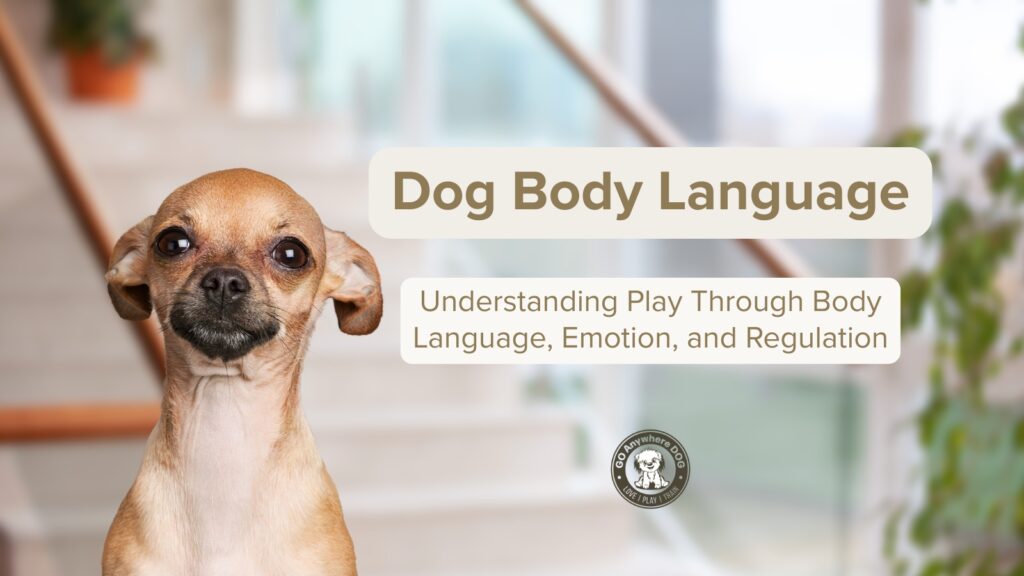
Body language is the clearest window into how your dog is feeling and coping. Because dogs do not have words, they communicate through posture, movement, facial expression, and other signals—sometimes subtle, sometimes obvious. You’ll see why a single tongue flick, freeze, or whale eye cannot tell the whole story. The surrounding details matter: where the tail is held, whether the body is tense or loose, and what the ears are doing. When a dog shows concern, the first goal is to back off and reduce stress, not challenge or intimidate. With repetition and practice, you can recognize stress, identify what is causing it, and make a plan that helps your dog cope with fear, frustration, or anger.
Key Moments
0:05 — Body language is the window into how your dog is feeling
0:48 — Your dog is always communicating in the only way they know
1:20 — Subtle and not-so-subtle body-language displays
6:48 — Why one tongue flick cannot tell the whole story
7:13 — Read the tail, body tension, and ears together
7:50 — Reduce stress first, then identify triggers and make a plan
Full Transcript
0:00 — [Music]
0:05 — Body language is the window of truth to how your dog is feeling. We all care deeply about how our dog is feeling or coping in any situation. We also care about our dog’s safety and the safety of those around our dog. Dogs don’t have words to tell us how they’re coping at any given moment, and as humans, we’re often left frustrated trying to understand the furry species that’s made his way into our home, our hearts, and oftentimes our beds.
0:37 — Understanding your dog’s body language will keep you out of frustration and in tune with your dog’s emotional state in any given situation.
0:48 — Your dog is always trying to communicate to you how he feels at every turn, in his doggy way. The only way he knows to communicate this to you is through his body language. After spending time chatting with thousands of dog lovers over the years, I know one thing to be absolute truth: all of you who love a dog care about how your dog is feeling or coping, but oftentimes don’t know how to tell.
1:20 — The following video is aimed at helping you learn these sometimes subtle and sometimes not-so-subtle displays in your dog’s body language, many that can only be seen when you know where to look. Watch now, and I’ll be back later.
1:38 — [Music and visual examples of dog body-language signals]
3:59 — Okay.
4:04 — [Music and visual examples continue]
6:48 — Does every flick of the tongue mean your dog is stressed? No. You cannot interpret your dog’s emotional state with a single display of anything. Body language is fluid. It’ll never be fully understood from only a snapshot. The flick of the tongue alone could simply be due to a fly passing by or a tickle that needs to be itched.
7:13 — When you see a single display, you’ll want to look at the overall picture. Where is her tail being held? Is her body tense or loose? Are her ears relaxed, forward, or held tightly back? When you do see a singular display of a freeze, a whale eye, or any others that are included in the displays of tense, back off until you have concluded yourself everything is safe.
7:39 — Whether dog or human, when we see displays of concern, we don’t want to challenge, threaten, or intimidate any living being when they themselves are clearly not coping well. Your first goal is to help alleviate your dog’s stress, not add to it.
7:56 — In the following videos, I’ll help you understand what things may be triggering a fearful response or an aggressive response. Once we know what is triggering the problem, we can put together a plan to help your dog feel better or cope better during situations that cause your dog stress.
8:13 — There is not a person walking on this planet that does not have some things in life that cause them stress. I’ve yet to find the dog that is fully stress-free either. The key is to recognize when your dog is stressed, identify the cause, and help keep him out of terribly stressful situations for him, or work through a plan to help him overcome his fear, frustration, or anger.
8:42 — Understanding your dog’s emotional state through observing her body language is a learned skill. Repeat this video as often as you need, and whenever you encounter anything that gives you concern. With repetition and practice, you’ll open the window of truth for discovering how your dog is feeling and, in turn, be empowered to help your furry love bug live a happy and fulfilled social life.
9:14 — [Music]
In this video I help you recognize informational body language from your dog.
Ever wish your dog came with subtitles?
Good news—you don’t need them.
In this short and wildly popular video (nearing a million views!), you’ll learn how to read dog body language so clearly it’s like your pup is talking to you.
Whether you’ve just brought home a new puppy or are working through behavior struggles, this skill is your secret weapon to trust, safety, and a truly connected relationship.
Why Dog Body Language Matters
Just like humans, dogs experience a full range of emotions—happy, scared, curious, frustrated. But they don’t use words to tell us how they’re feeling. They use body language. Reading it well is one of the foundations of understanding dogs.
When you learn to read those signals, you can recognize the early signs of stress or discomfort before your dog ever growls, barks, or snaps. And when you know what your dog is trying to tell you, you can respond with empathy, support, and confidence.
❤️ Be Your Dog’s Safe Place
When you bring a puppy or rescue dog into your life, you want to be their safe, secure guide through a big, unpredictable world. Knowing how to read your dog’s body language helps you do just that.
You’ll learn:
- How to spot early signs of fear or frustration
- Why those “out of nowhere” reactions actually weren’t out of nowhere
- What to do instead of correcting “bad behavior” after it happens
The truth is, most behavioral issues are really communication breakdowns. Once you learn your dog’s language, everything changes—for the better.
🌍 Life With a Social Dog in a Social World
Modern dogs go more places than ever—patios, cabins, parks, breweries, trails.
They’re living social lives alongside kids, adults, and other dogs.
That’s amazing, but it also means you have to become their emotional translator.
When your dog is uncomfortable but can’t say it out loud, stress builds. Misunderstandings happen. Confidence dips. But when you can see what they’re saying with their body, you can advocate for them and teach them that the world is safe—with you by their side.
🔄 Real Clients, Real Results
Many dog parents come to me after a scary moment—a growl at a child, a snap at a friend, a tense interaction at the park. The common theme?
“It came out of nowhere.”
But it didn’t. The dog was showing signals all along—they just weren’t being seen yet. Understanding dog body language is just what you need in order to “see” your bestie.
This video gives you the superpower to spot those signals early and build your dog’s social confidence over time.
Want to dive deeper? Learn more about canine calming signals or check out Lili Chin’s Doggie Language chart—both are fantastic, dog-parent-approved resources.
🎓 Learn With Less Stress (For Both of You)
I believe in teaching dogs with play, clarity, and kindness—never fear or intimidation.
And I believe learning should feel good for you, too.
Understanding your dog’s body language takes just a little bit of awareness, and the rewards are huge: fewer behavioral issues, more trust, and a better bond than you ever imagined. These same calm, confident manners are the foundation for programs like Canine Good Citizen training and therapy dog training.
Next Up: Watch Puppy Socializtion Video →
🐶 Ready to Go Deeper?
We offer:
- Puppy Training Classes in Eden Prairie for pups under 16 weeks
- Off-Leash Dog Training for confident, well-mannered dogs who can go anywhere with you
📣 Help Other Dog Lovers!
If you found this video helpful, share it with a friend, neighbor, or your local rescue group. It takes all of us to raise well-socialized, safe, and happy dogs in our communities.
Until next time—
Have fun & enjoy your dog!
P.S. Always be your dog’s hero.
Jody Karow, CTC
Founder, Go Anywhere Dog
Dog Life Coach & Puppy Expert