Puppy Training Guide – Small Steps = Big Results

Small steps. Big results. Gentle training that builds trust first.

Puppy Training Guide – Go Anywhere Dog®, Minneapolis & Twin Cities, MN, Puppy & Dog Training
  • Tiny, joyful reps teach faster than long, perfect ones.
  • When it’s hard, make the next rep easier, shorter, or simpler.
  • Ladder skills: home → yard → public → real life.

Small Steps, Big Results: A Gentle Puppy Training Guide

Puppies learn like toddlers—through safety, play, and a thousand tiny reps. Expecting a perfect sit-stay out of the gate is like handing a kid a crayon and asking for perfect cursive. We build skills the same way we build trust: one small, successful step at a time.

Why tiny reps beat “be perfect”

When your puppy wins often, the brain says do that again. Confidence rises, frustration drops, and learning accelerates. If a step is hard, that’s feedback—not failure—telling us to make the next rep easier, shorter, or simpler.

Micro-win checklist

  • Can my puppy succeed at this in 2 seconds?
  • Can I reward instantly?
  • Is the environment easy enough (few distractions)?
  • Can I stop while it’s going well?

The Small-Step Method (start today)

  1. Pick one behavior: sit, name response, hand target, or “come.”
  2. Make it tiny: ask for 1–2 seconds, at home, with a handful of treats.
  3. Mark and pay: “Yes!” → treat. Think 10 rapid wins, not one long rep.
  4. Reset: toss a treat to reset, then cue again. Keep it light and fun.
  5. Quit early: leave a little on the table so your puppy wants more next time.

Pro move: If your puppy is struggling, you’re not “behind”—you’re just one step too far ahead. Slide back and celebrate a fast win.

P.S. When the game is too hard, puppies quit. (Just like kids.)

Build the ladder: home → yard → real life

  • Stage 1 (Home): 10–20 tiny wins in a quiet room.
  • Stage 2 (Yard/Driveway): same skill, short leash, same tiny rep.
  • Stage 3 (Public): add mild distractions; keep reps short and cheerful.
  • Stage 4 (Real-world routines): front door, car, vet lobby—practice where it matters.

Rewards that teach faster (and feel better)

  • Pay the behavior you want, generously, especially at the beginning.
  • Treats are tuition—temporary, strategic, and used to build habits.
  • Layer in praise, play, and life rewards (go outside, greet a friend) as your puppy learns.

Calm first. Manners follow.

A dysregulated puppy can’t think. Start sessions when needs are met: pottyed, a bit of play, water, and a short sniff. If arousal spikes, take a 30-second reset (sniff, treat scatter, or a settle on a mat).

Common “stuck” spots (and easy fixes)

  • Won’t sit outside? Move closer to the door, ask for 1-second sit, pay, end.
  • No interest in treats? Use higher value (soft, smelly), smaller pieces, faster delivery.
  • Pulling returns? Reward at your hip every 1–2 steps. Ten paid steps today beat one unpaid block tomorrow.
  • Recall flop? Shorten the distance to 3–5 feet, use a happy voice, and reward like you mean it.

When classes change everything

Group play and coached reps help pups learn social skills and emotional regulation, not just “obedience.” Our off-leash format lets puppies practice real manners around real distractions—safely.

Fast FAQ

How long should I train each day?

5–10 minutes total, split into tiny 1–2 minute bursts.

When do I fade food rewards?

As reps become easy in that context, switch to intermittent food + praise/play, and start paying more for harder environments.

Is my puppy being “stubborn”?

Usually not—just over-threshold or confused. Make the next step smaller and celebrate success.

⭐ Until next time — Have Fun & Enjoy Your Dog!


Jody Karow, CTC
Founder & Dog Life Coach
Go Anywhere Dog®

Share:

Facebook
Twitter
Pinterest

Social Media

Be Your Puppy's Hero
Puppy school cartoon dogs branding graphic

The Go Anywhere Dog® Guide:
Be Your Puppy’s Hero

Hero Moments:
The Only Ones That
Matter Early On
 A hero moment is not when you teach a skill. It’s when you protect safety without need for proving anything.
jody-karow-founder-go-anywhere-dog-scaled.jpeg – Go Anywhere Dog®, Minneapolis & Twin Cities, MN, Dog Training

Jody Karow - CTC

Founder & Lead Dog Life Coach — Go Anywhere Dog®

Helping dogs — and their humans — master the social skills that make a Go Anywhere Dog®. Science-based. Play-driven. Boundaries without trauma®.

Jody Karow is the founder and lead trainer at Go Anywhere Dog® in Eden Prairie, serving families across the Minneapolis metro. With 20+ years of hands-on experience, Jody’s special sauce is social skills—the confidence, play etiquette, and emotional regulation that turn a good puppy into a Go Anywhere Dog®. Her method blends behavioral science with joyful practice: trust first, skills second, obedience that lasts.

Her work sits at the intersection of behavioral science, emotional intelligence, and real-world practice, helping families raise calm, joyful dogs who can truly go anywhere with them. Jody’s guiding principle is simple and unwavering: build trust before obedience. Because the best-behaved dogs aren’t managed—they’re connected.

When she’s not teaching puppies the art of polite play, Jody mentors fellow trainers, writes about dog-human relationships, and explores the trails around the Minneapolis metro with her own Go Anywhere Dogs by her side.

On the Blog
puppy destruction in the house, tips to help from Go Anywhere Dog®
Training Foundations

New Puppy or Rescue Dog – 5 Mistakes to Avoid

New Puppy or Rescue Dog? 5 Common Mistakes to Avoid (So You Can Actually Enjoy Each Other) Bringing home a new puppy or rescue dog is pure magic. Hope. Excitement. A fresh start.And—if we’re honest—a whole lot of accidental mistakes made with the very best

Read More »
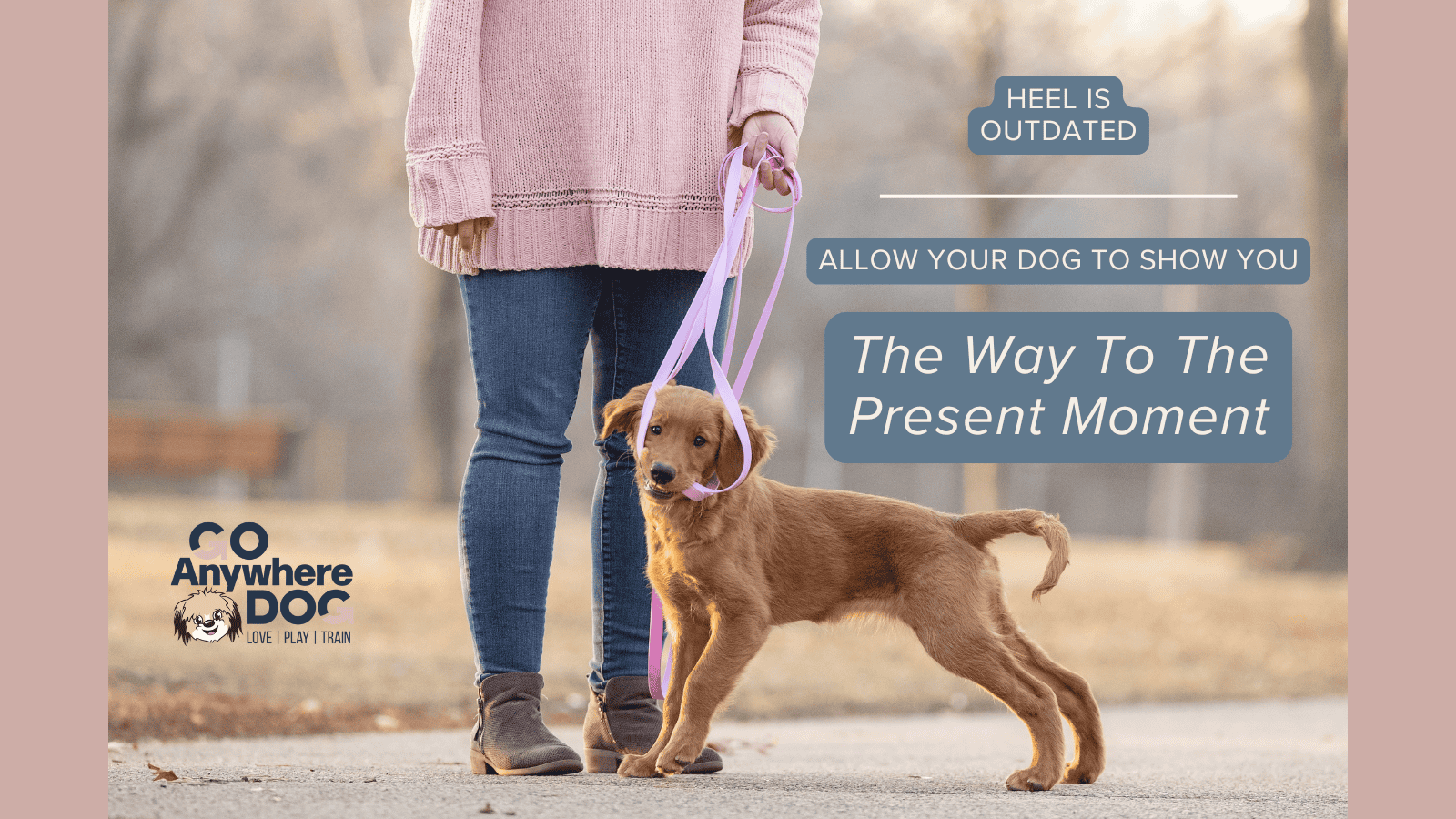
Puppy walking calmly beside their owner on leash, showing relaxed body language and a positive dog walking experience.
Speaking Dog

Dog Walking: A Daily Chore or Shared Joy?

You come home after a long, grinding day. And there it is. That greeting.Tail whipping like a helicopter with no regard for physics.Whole body vibrating with joy.You’re home. You’re HOME. YOU’RE HOME. No one—no one—will ever be this consistently thrilled to see you for the

Read More »
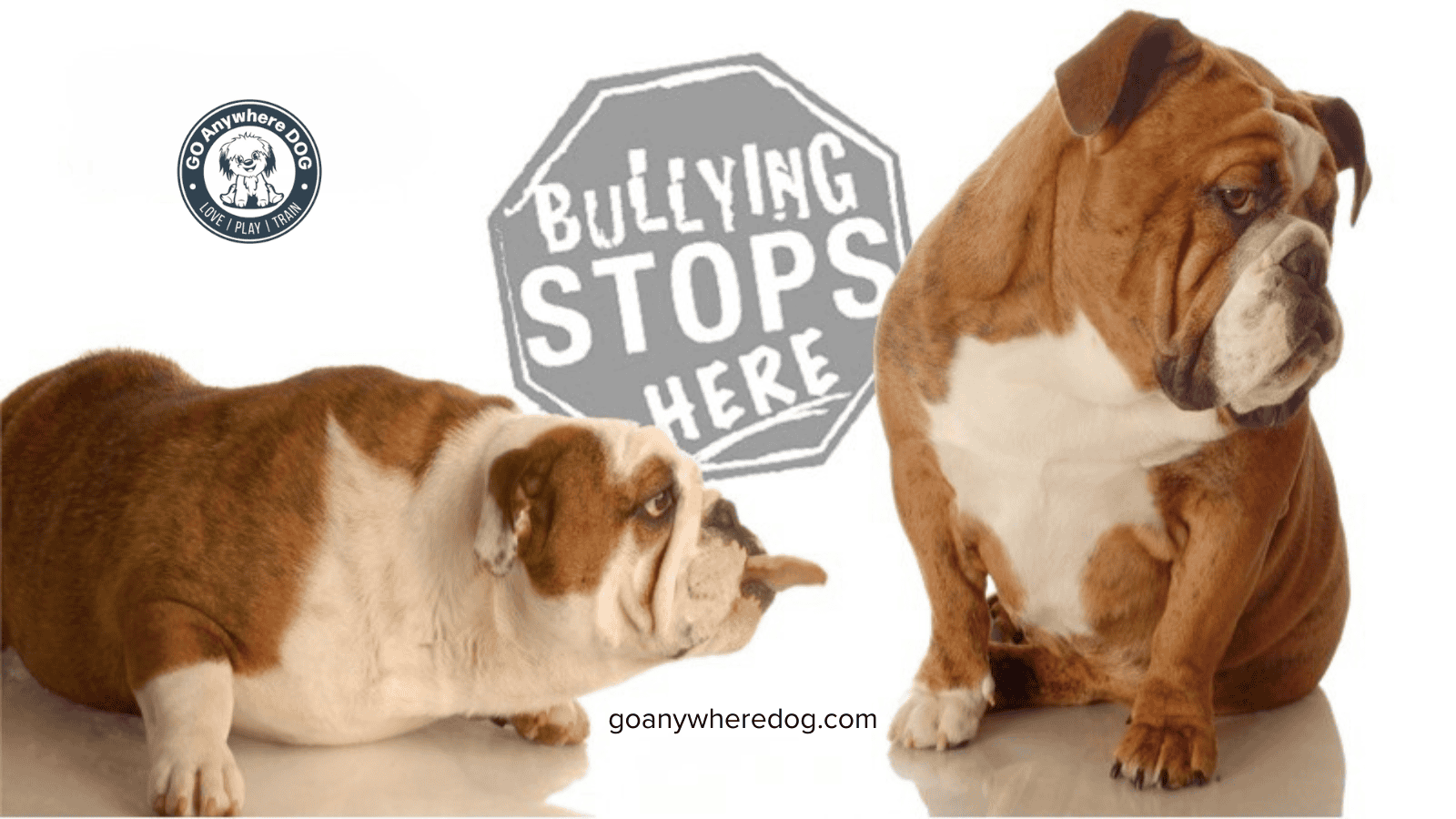
Bulldog sticking tongue out at other dog - does you dog bully other dogs?
Behavior & Emotion

Does your dog bully other dogs?

Does Your Dog Bully Other Dogs? We’ve spent years finally talking openly about bullying in schools—how damaging it can be, how deeply it affects confidence, safety, and emotional wellbeing. But dogs don’t get a free pass from the same dynamics. Yes—dogs can be bullied.And yes—it

Read More »
Explore The Category of Your interest

Puppy Development

Early experiences shape confidence, coping, and resilience for life. This category explores how puppies learn long before formal training begins — and why early understanding matters more than early obedience.

Dog Body Language

Understanding how dogs communicate through posture, movement, facial expression, and subtle physical signals — so behavior makes sense in real time.

Behavior & Emotion

Behavior isn’t random. It’s driven by emotion, history, and context. These posts help you understand what dogs are feeling when behavior shifts, escalates, or seems confusing.

Fear & Stress

Fear isn’t defiance — it’s communication. This category focuses on recognizing fear early, understanding stress responses, and responding in ways that increase safety rather than escalation.

Training Foundations

Clear expectations, motivation, and learning principles that make training effective without force or intimidation. These pieces focus on why learning works — not just how.

Life With Dogs

Play, routines, enrichment, and real-world living. This category looks at how dogs fit into human lives with joy, structure, and realism.