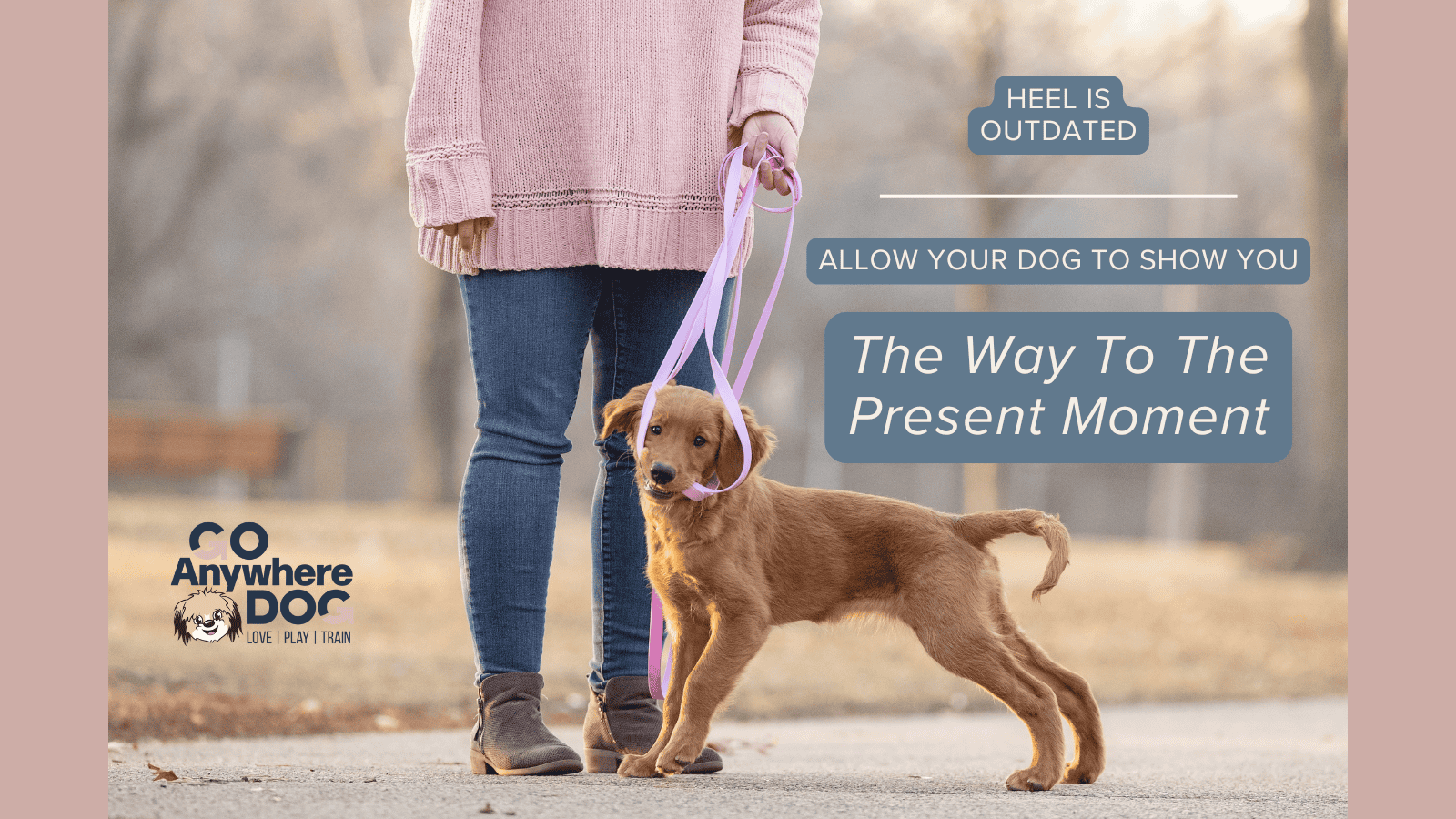
In this video we’re going to break down all the good elements of play, when play needs intervention and what your dog needs from you.
Understanding Play Through Body Language, Emotion, and Regulation
Off-leash dog play can look chaotic if you don’t know what you’re seeing. Dogs communicate constantly through movement, posture, pauses, and play signals. When we understand the emotional state behind play, it becomes easier to tell the difference between healthy interaction, overstimulation, and stress. This video helps you learn what to watch for so play stays safe, regulated, and enjoyable for everyone involved.
Healthy dog play is not about dominance, winning, or intensity. It’s about consent, emotional regulation, and communication. Dogs who are enjoying play will offer pauses, self-handicapping, role reversals, and clear signals that invite continued interaction. When those signals disappear, it’s often a sign that a dog is over threshold and needs support—not punishment.
Learning to read play through body language allows humans to step in early, before stress escalates. It also helps dog guardians feel confident allowing off-leash play when it’s appropriate, rather than avoiding it entirely out of fear or misunderstanding.
Signs of Healthy Off-Leash Dog Play
Loose, wiggly bodies
Play bows and exaggerated movements
Frequent pauses and role reversals
Mutual re-engagement after breaks
When Play Becomes Too Much
Stiffening bodies
Escalating speed or intensity
Ignored disengagement signals
One dog trying to escape
Why Emotional Regulation Matters in Play
Play reflects internal state
Dysregulation ≠ bad behavior
Support > correction
Common Questions About Off-Leash Dog Play
How can I tell if my dog is enjoying play?
Healthy play looks loose and flexible. Dogs who are enjoying play will have relaxed, wiggly bodies, curved movements, and frequent pauses. You’ll often see play bows, role reversals, and mutual re-engagement after breaks. When play is healthy, both dogs choose to stay involved.
Is growling during play normal?
Yes — growling during play can be completely normal. Play growls are usually paired with loose bodies, bouncy movement, and exaggerated gestures. Growling becomes a concern when it’s paired with stiffness, freezing, or ignored disengagement signals. Context always matters more than the sound itself.
When should I interrupt off-leash play?
It’s time to step in when one dog is no longer responding to signals, when intensity keeps escalating without pauses, or when a dog is trying to disengage but can’t. Interrupting early helps prevent stress and keeps play safe. Supportive interruptions are about regulation, not punishment.
Can puppies play off-leash safely?
Yes — when the environment and play partners are appropriate. Puppies need play that supports confidence and emotional safety, not overwhelm. Good puppy play includes gentle pacing, frequent breaks, and adult dogs who self-handicap and respond to puppy signals. Quality matters far more than quantity.
Next Up: Learn about fearful dogs →
🐶 Ready to Go Deeper?
We offer:
- Puppy Training Classes in Minneapolis for pups under 16 weeks
- Off-Leash Dog Training for confident, well-mannered dogs who can go anywhere with you
📣 Help Other Dog Lovers!
If you found this video helpful, share it with a friend, neighbor, or your local rescue group. It takes all of us to raise well-socialized, safe, and happy dogs in our communities.
Until next time—
Have fun & enjoy your dog!
P.S. Always be your dog’s hero.
Jody Karow, CTC
Founder, Go Anywhere Dog
Dog Life Coach & Puppy Expert