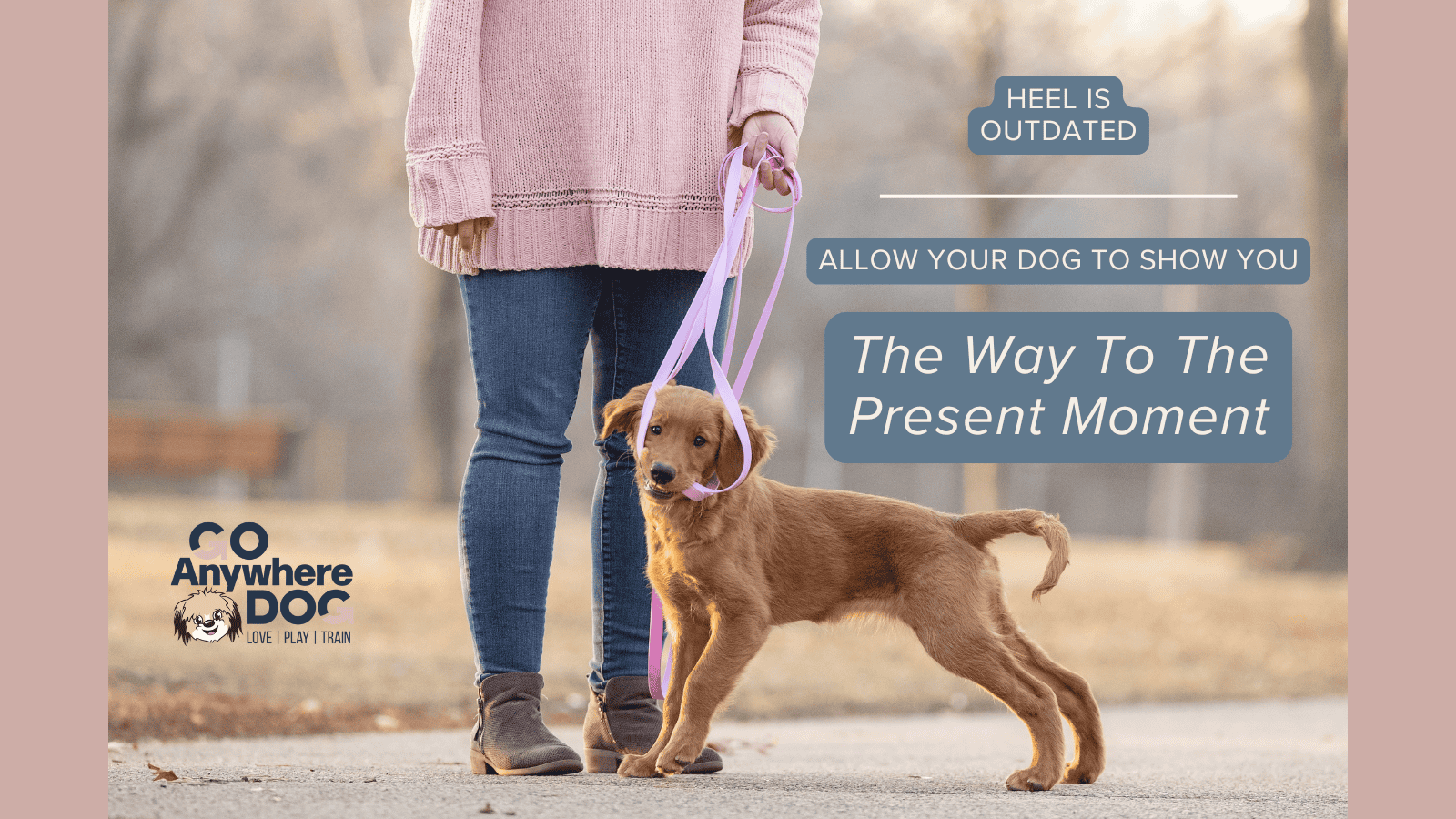
Dog training doesn’t fail nearly as often as people think. What usually fails is the expectation that progress should be fast, linear, and permanent once a dog “knows better.”
In this video, I break down what real training progress actually looks like, why setbacks are part of learning (not a sign you’re doing it wrong), and how emotional regulation — not pressure — is what creates reliable, long-term behavior.
Realistic Expectations in Dog Training: What Progress Actually Looks Like
One of the most damaging myths in dog training is the idea that progress should be fast, smooth, and permanent once a dog “knows” a behavior.
It’s a comforting belief.
It’s also wildly inaccurate.
Dogs don’t learn the way machines do. They learn the way mammals do—through experience, emotion, repetition, and context. And just like humans, their ability to access skills depends on how regulated they feel in the moment.
That’s why realistic expectations matter so much. Not because we want to lower standards—but because unrealistic expectations quietly sabotage learning, confidence, and trust.
Progress Is Not Linear (and That’s Not a Problem)
Most people expect training to look like a straight line:
teach → practice → success → done.
In real life, training looks more like a spiral.
A dog may perform a skill beautifully one day and struggle the next. They may respond reliably at home but fall apart in a new environment. They may appear to “forget” something they’ve done correctly dozens of times before.
This isn’t stubbornness.
It isn’t defiance.
And it isn’t failure.
It’s context.
New environments, increased distractions, emotional stress, physical development, fatigue, and even growth spurts can temporarily change how accessible a behavior is to a dog. Learning doesn’t disappear—but access to it fluctuates.
That fluctuation is normal.
Behavior Is a Symptom, Not the Root
When expectations are unrealistic, behavior becomes the villain.
The dog is labeled as:
not listening
testing boundaries
being difficult
blowing off cues
But behavior doesn’t exist in a vacuum. It’s information.
A dog’s behavior tells us what they’re capable of right now, under these conditions, with this level of support. When behavior changes, it’s often because something upstream has changed—emotion, arousal, stress, or clarity.
If we treat behavior as the problem instead of the signal, we tend to add pressure right when a dog needs support.
And pressure on an already dysregulated nervous system doesn’t create learning. It creates suppression, shutdown, or escalation.
Regulation Comes Before Reliability
One of the biggest shifts we make with clients is reframing the goal.
The goal is not “perfect obedience.”
The goal is a dog who can stay regulated enough to access what they know.
A regulated dog can think.
A dysregulated dog can’t—no matter how much training they’ve had.
That’s why pushing harder during setbacks often backfires. The dog isn’t choosing not to comply; their nervous system is telling them they can’t safely engage at that level yet.
Realistic expectations allow us to step back and ask better questions:
Is this environment too much right now?
Does my dog need more distance, not more direction?
Is this a skill problem—or a regulation problem?
When we prioritize emotional safety and regulation, reliability follows naturally over time.
Setbacks Are Feedback, Not Failure
Setbacks are often treated as proof that training isn’t working.
In reality, setbacks are feedback.
They tell us:
where a dog’s current threshold is
which environments need more practice
when support needs to increase, not pressure
They also tell us something important about timing. Dogs develop in stages. Puppies, adolescents, and even adult dogs go through periods where skills wobble temporarily as their brains and bodies change.
Expecting steady, uninterrupted progress ignores how development actually works.
When expectations are realistic, setbacks don’t feel personal. They feel informative.
Consistency Beats Intensity—Every Time
Another expectation trap is intensity.
People assume that more corrections, firmer boundaries, or higher stakes will speed things up. But learning doesn’t accelerate under pressure—it stabilizes under consistency.
Consistency looks like:
repeating skills in manageable environments
reinforcing success instead of punishing mistakes
adjusting expectations as conditions change
meeting the dog where they are, not where we wish they were
This doesn’t mean boundaries disappear. It means boundaries are introduced at developmentally appropriate moments—when a dog is regulated enough to learn from them.
That’s how trust stays intact.
Why This Matters Long-Term
Dogs trained under unrealistic expectations may appear compliant—but often at the cost of confidence, curiosity, or emotional flexibility.
Dogs trained with realistic expectations learn something deeper:
how to recover after mistakes
how to stay engaged under pressure
how to trust that learning is safe
These dogs don’t just perform behaviors. They navigate the world with resilience.
And for the humans on the other end of the leash, realistic expectations bring relief. Less guilt. Less frustration. Less second-guessing.
Training becomes a relationship again—not a test.
The Takeaway
If your dog has setbacks…
If progress feels slower than you expected…
If some days feel like two steps forward and one step back…
You’re not doing it wrong.
You’re watching learning happen in real time.
When expectations align with how dogs actually learn, training stops feeling like a struggle—and starts feeling like communication.
That’s when everything changes.