


🧠 What Is an Emotional Support Animal (ESA)?

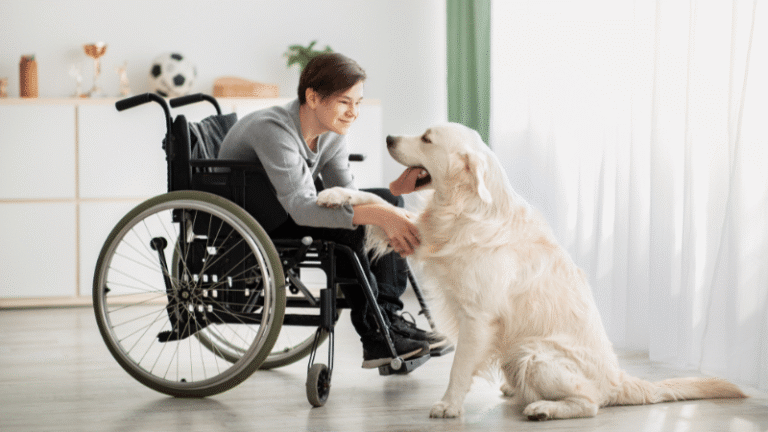
Emotional Support Animals (ESAs) provide therapeutic comfort to people living with mental or emotional challenges such as anxiety, depression, PTSD, or phobias.
Unlike service dogs (trained to perform specific medical tasks), ESAs offer healing simply through their presence — grounding their humans during moments of distress with steady companionship, empathy, and co-regulation.
Dogs are the most common ESAs because of their social nature, emotional sensitivity, and deep bond with humans — but cats, rabbits, and even mini horses can serve in this role too.
🔍 ESA vs. Service Dog: What’s the Difference?
Both ESAs and service dogs support people living with mental-health conditions, but their roles and rights differ:
| Type | What They Do | Training Level | Legal Protections |
|---|---|---|---|
| Service Dog | Performs specific trained tasks related to a disability (e.g., fetching medication, interrupting panic attacks). | Extensive, task-specific | Full public-access rights under ADA |
| Emotional Support Dog | Provides comfort and emotional grounding through companionship and co-regulation. | Obedience + emotional stability | Housing & travel protections (under FHA, some airline restrictions) |
An ESA doesn’t need to perform special tricks or tasks — their superpower is calm connection.
🐾 How Go Anywhere Dog Trains Emotional Support Dogs
A dog can’t offer calm if they don’t feel calm.
Our training builds that inner stability from the ground up:
Safety First – We teach puppies and adult dogs to feel secure in new environments and with new people.
Social Skills – Structured play, exposure, and emotional regulation exercises build confidence and adaptability.
Functional Obedience – Sit, stay, recall, and leash skills that hold up in real-world, emotionally charged settings.
Human–Dog Bonding – We show guardians how to co-regulate with their dogs — reading body language, soothing anxiety, and communicating without fear or force.
No intimidation. No shock collars. No “alpha” nonsense. Just emotionally intelligent, neuroscience-informed training.
🌱 Where to Start
The earlier you begin, the easier it is to shape a calm, confident companion.
Under 16 weeks? → Start with Puppy Classes
Over 16 weeks? → Begin with Life Skills 101
Prefer 1:1 training? → Choose In-Home Puppy Training or Private Dog Training
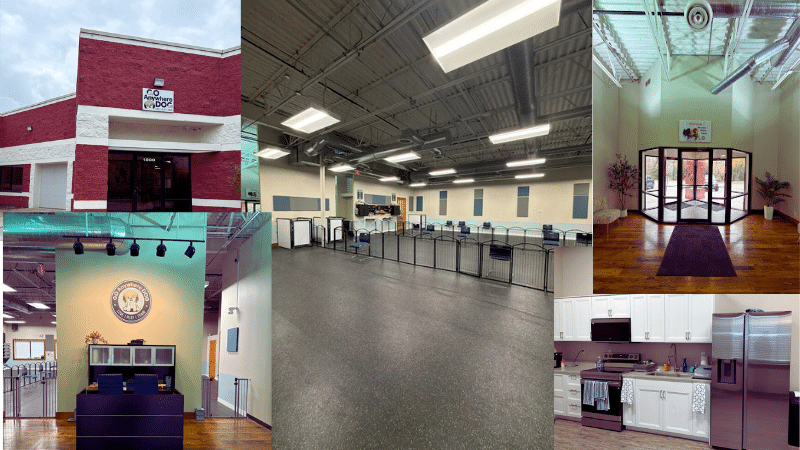
Serving Minneapolis, Edina, Minnetonka, Richfield, Hopkins, St. Louis Park, Bloomington, and Savage — with classes at our Eden Prairie training center.
🧩 Can I Raise My Own ESA Puppy?
Maybe — but it’s important to be honest about your resources and stability.
Puppies require consistency, routine, and calm leadership. If your current emotional state is fragile, it may be better to begin with training your existing dog or work alongside a support system.
We’ll help you evaluate readiness in a private consultation, identifying what’s realistic and how to create the best environment for your future support dog to thrive.
💌 Getting an ESA Letter
An official ESA letter can be issued by a licensed mental-health professional — therapist, psychiatrist, or psychologist — after evaluating your diagnosis and determining that an emotional support animal would benefit your wellbeing.
We can’t issue these letters, but we collaborate seamlessly with your care team to ensure training aligns with your therapeutic goals.
🌎 Emotional Support Dogs Make the World Better

Emotional support dogs don’t need to “fix” anything — they heal simply by being.
That soft exhale beside you, the grounding eye contact, the sense that you’re not alone — that’s the power of emotional safety, and it’s what we teach every Go Anywhere Dog to embody.